Photo coming soon
Self-regulating heating cables - KTV
Self-regulating heating cables - KTV
Self-regulating heating cables - KTV is a product line in the self-regulating heating cables category. 4 variants are available. We will help you select the right type for your installation, prepare a quotation and take care of supply and installation.
4 variants in this line
Not sure which heating cable to choose?
Tell us about your installation: the medium, pipe diameter and length, maintain temperature and operating conditions. We will select the cable, output and installation method and, if needed, prepare the design.
Product types and technical specification
| Symbol | Description | Manufacturer no. | Datasheets |
|---|---|---|---|
| 5KTV2-CTUnavailable | Self-regulating heating cable, 230V, 16 W/m at +10°C | P000001679 | |
| 8KTV2-CTUnavailable | Self-regulating heating cable, 230V, 25 W/m at +10°C | P000001681 | |
| 15KTV2-CTUnavailable | Self-regulating heating cable, 230V, 47 W/m at +10°C | P000001683 | |
| 20KTV2-CTUnavailable | Self-regulating heating cable, 230V, 66 W/m at +10°C | P000001685 |
What Raychem KTV is used for
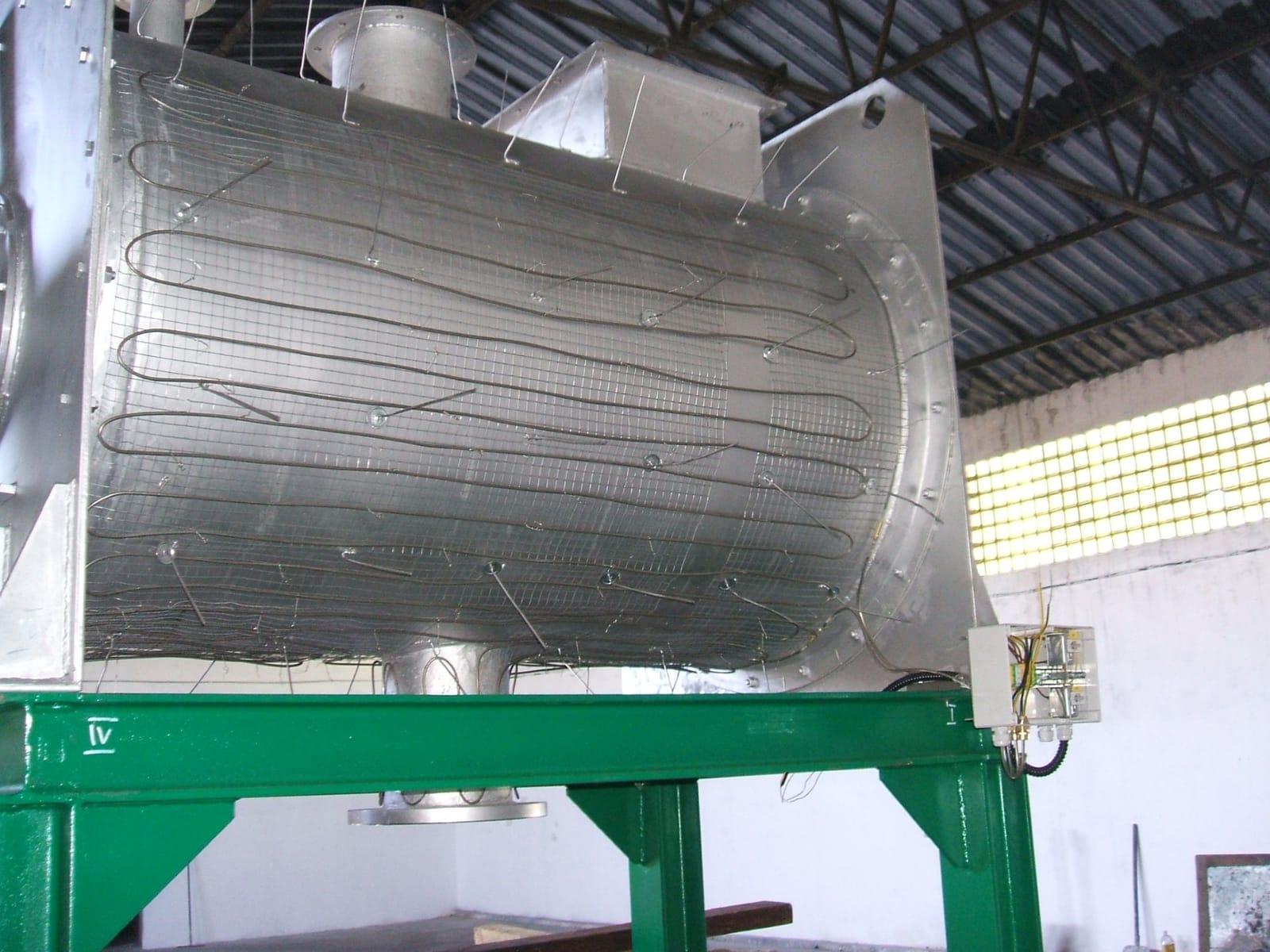
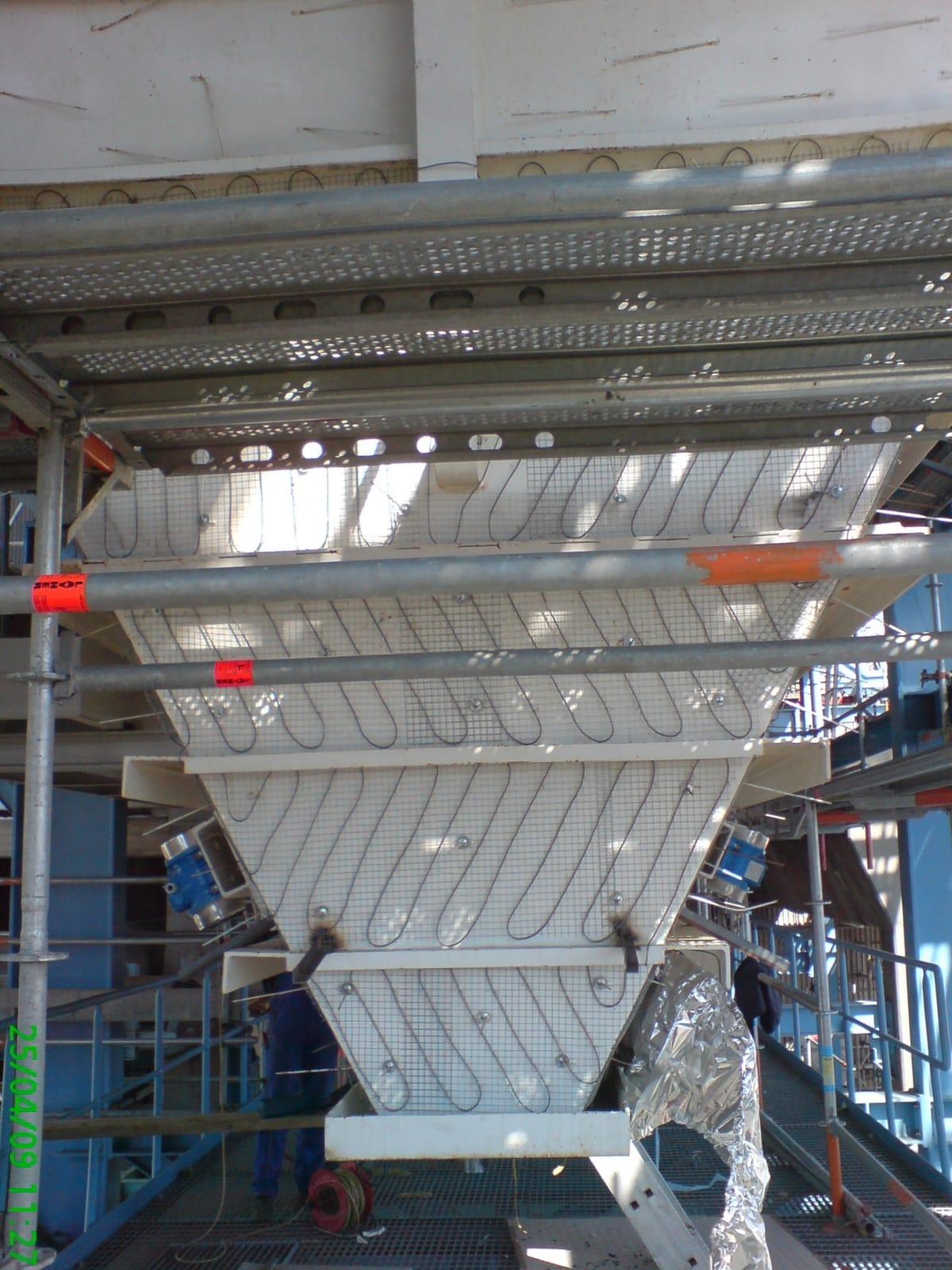
KTV is a family of Raychem (Chemelex) self-regulating parallel heating cables for process temperature maintenance up to 150°C on pipes and tanks, including installations subject to steam purging. According to the datasheet it is also used for frost protection of large-diameter pipes and in applications with high exposure temperatures. The cable is approved for non-hazardous areas and for Ex Zones 1, 2 (gas) and 21, 22 (dust).
KTV symbols are currently marked as unavailable. If your plant runs KTV and you need a replacement or an extension, we select an equivalent from the current range after recalculating heat losses and Ex area requirements. The process is described on the discontinued product replacements page.
KTV technical data (per datasheet)
- Max. maintain temperature (power on): 150°C
- Max. intermittent exposure temperature (power on/off): 250°C for cables printed MAX INTERMITTENT EXPOSURE 250°C, up to 1000 h cumulative
- Temperature class: T2 unconditional, T6-T3 with stabilised design
- Supply voltage: 230 V
- Minimum installation temperature: -60°C
- Bus wires: nickel-plated copper 2.3 mm², tinned copper braid
How to read the symbol, e.g. 15KTV2-CT
- 15 - cable power class
- KTV - cable series
- 2 - 230 V supply version
- -CT - fluoropolymer outer jacket resistant to high temperatures
KTV line symbols and output at +10°C:
- 5KTV2-CT - 16 W/m
- 8KTV2-CT - 25 W/m
- 15KTV2-CT - 47 W/m
- 20KTV2-CT - 66 W/m
Replacement selection, supply and installation
We do not choose a replacement on W/m alone. We establish the maintain and exposure temperatures (e.g. during steam purging), pipe heat loss, the required T class and circuit lengths, and then specify a cable from the current range that meets these conditions. You can estimate the required output in our calculator.
Together with the cable we supply connection kits and temperature controllers, and we carry out installation, commissioning and service. You can download the KTV PDF datasheet from this page; we will prepare replacement selection and a quotation once you contact us.
Not sure which heating cable to choose?
Tell us about your installation: the medium, pipe diameter and length, maintain temperature and operating conditions. We will select the cable, output and installation method and, if needed, prepare the design.
Frequently asked questions
Is KTV heating cable available?
+
KTV symbols are currently marked as unavailable. We select a replacement from the current range based on the parameters of your installation.
What temperature does KTV operate at?
+
According to the datasheet, KTV maintains temperatures up to 150°C and withstands intermittent exposure up to 250°C with power on or off.
What data is needed to select a KTV replacement?
+
The symbol of the existing cable, pipe diameter and material, insulation thickness, maintain temperature and maximum process temperature, Ex area and circuit lengths. From this data we prepare the selection and a quotation.