
Audit and calculations
We collect the installation parameters, calculate the heat loss and determine the heat output required at the lowest ambient temperature.
Protect pipes, tanks and valves against freezing. We engineer complete industrial electric heat tracing: from heat loss calculations, through heating cable selection, to installation and commissioning on site.
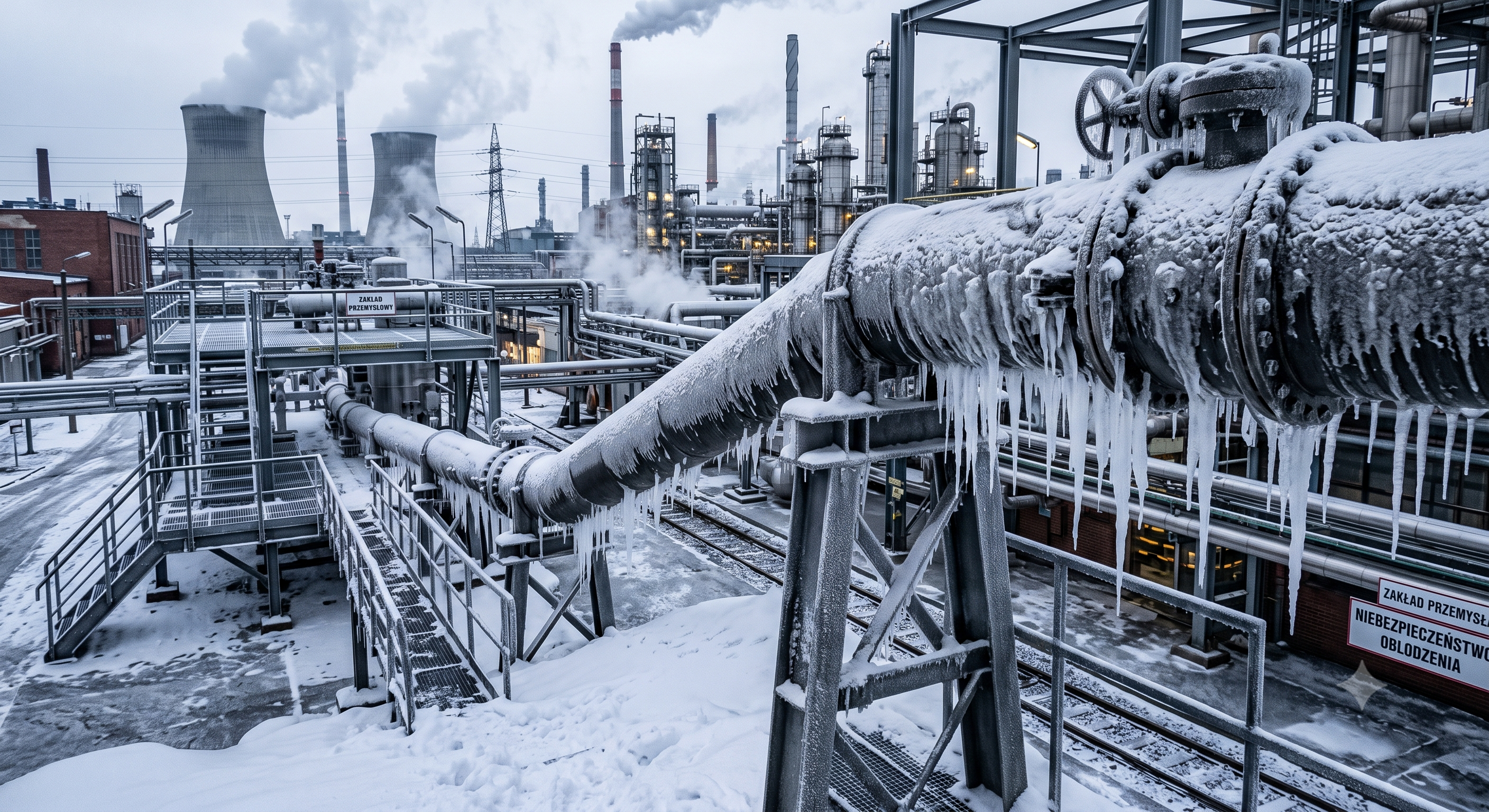
A frozen medium can stop the flow, damage valves or bring a process to a standstill. A heat tracing system delivers a precisely planned amount of heat under the insulation and maintains safe operating conditions even during severe cold spells.
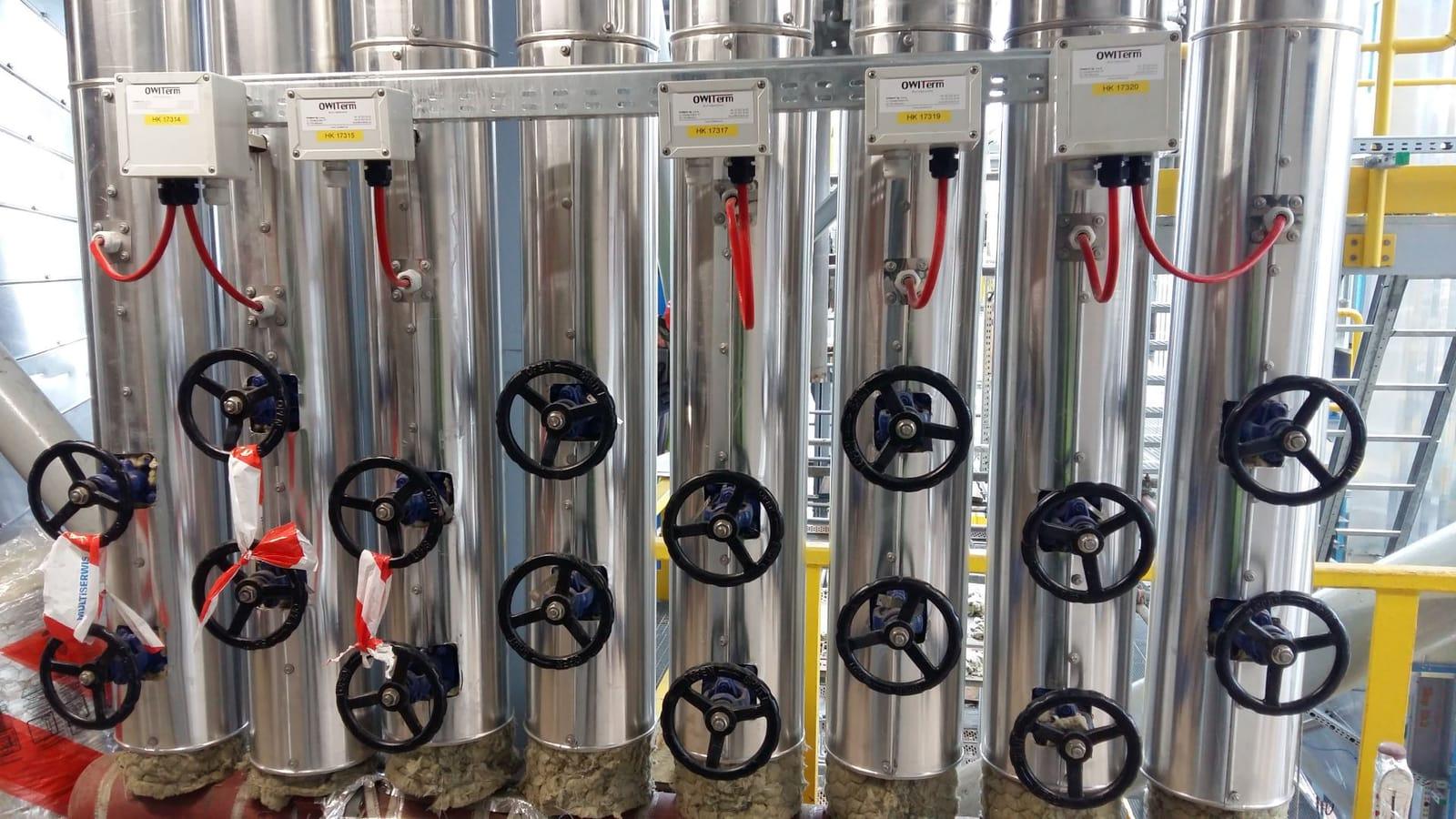
We collect the installation parameters, calculate the heat loss and determine the heat output required at the lowest ambient temperature.
We select heating cables, circuits, power supply, controls, sensors, accessories and solutions suitable for Ex areas.
We supply the complete system and install it on pipes, tanks, valves and the other components of the installation.
We check the circuits, carry out measurements, configure the controls and hand over an installation ready for winter operation.
Frost protection for water, process, fire hydrant and sprinkler systems, and temperature maintenance for media that thicken, crystallise or lose their properties when they cool down.
See pipe heat tracing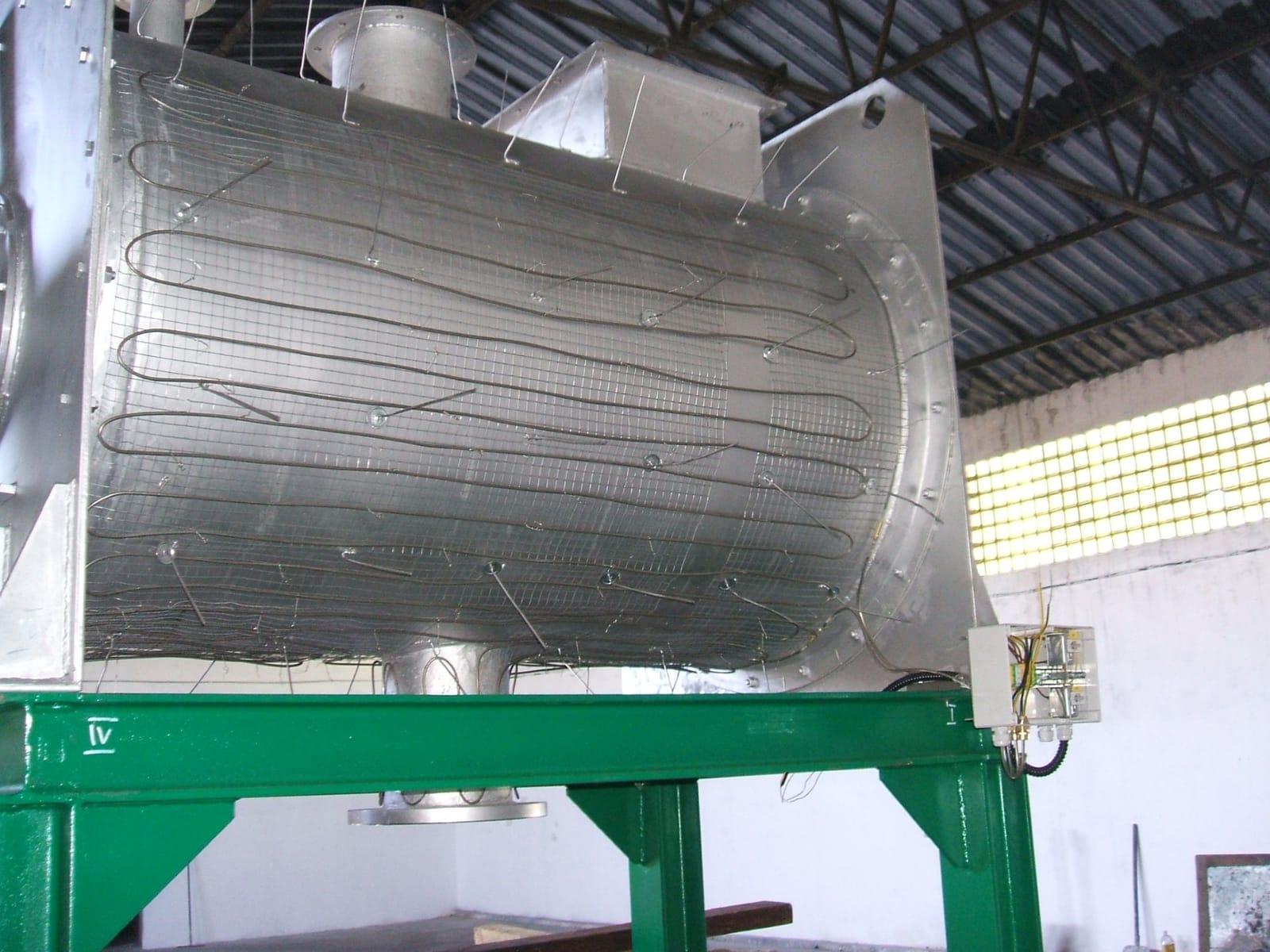
Compensation of heat loss from the tank shell, bottom, nozzles and valves. The system can protect the medium against freezing, maintain the storage temperature or support controlled heat-up.
See tank heatingCorrect selection is not about choosing a cable based on pipe diameter alone. First we establish how much heat the installation loses under design conditions. Only then do we select the output per metre, the length and the division into circuits.
Run a preliminary calculationThe calculated heat loss in W/m for a pipe, or in W for a tank, is the starting point. The designer takes into account the safety factor, the cable output at the specific temperature, the maximum circuit length, the start-up current, circuit protection and the control method. Valves, flanges, supports and other points of increased heat loss are analysed separately. This approach reduces the risk of underheating as well as unnecessary oversizing.
No single cable suits every installation. The choice depends on the operating and exposure temperatures, circuit length, the chemical environment, the Ex area, the control method and the process requirements.
Browse heating cables and accessoriesTheir output varies along the whole length according to the local temperature. Well suited to frost protection and temperature maintenance.
They deliver a defined output per metre and are selected where the circuit parameters and control method justify this solution.
They allow long circuits, higher outputs and demanding process temperatures, following detailed design calculations.
From a simple thermostat to a multi-circuit supervision system with alarms, current measurement and communication with plant automation.
A low price for the cables alone does not guarantee low running costs. What counts is the cost of purchase, installation, energy, inspections and the risk of downtime over the entire service life of the installation.
We can deliver the full scope or support a selected stage: calculations, design, supply of components, installation, commissioning or an inspection of an existing installation.
Drawings, a list of pipe sections or basic technical data are enough. We help you fill in any missing information.
We determine the heat loss, divide the installation into circuits and select the heating cables, controls and accessories.
You receive a clearly defined scope of supply and work, without arbitrary oversizing of the system.
We carry out the work on site, perform the measurements and hand over the as-built documentation.
An existing system does not always need to be replaced in full. During an audit we check insulation resistance, circuit continuity, the power supply arrangement, and the condition of end seals, sensors and controls. We also verify whether the available output matches the current process and insulation parameters.
Based on the measurements, we identify the components that can remain in service and define the scope of a safe upgrade. The solution is matched to the current operating conditions of the installation and the requirements of the plant.
Book an audit of your existing system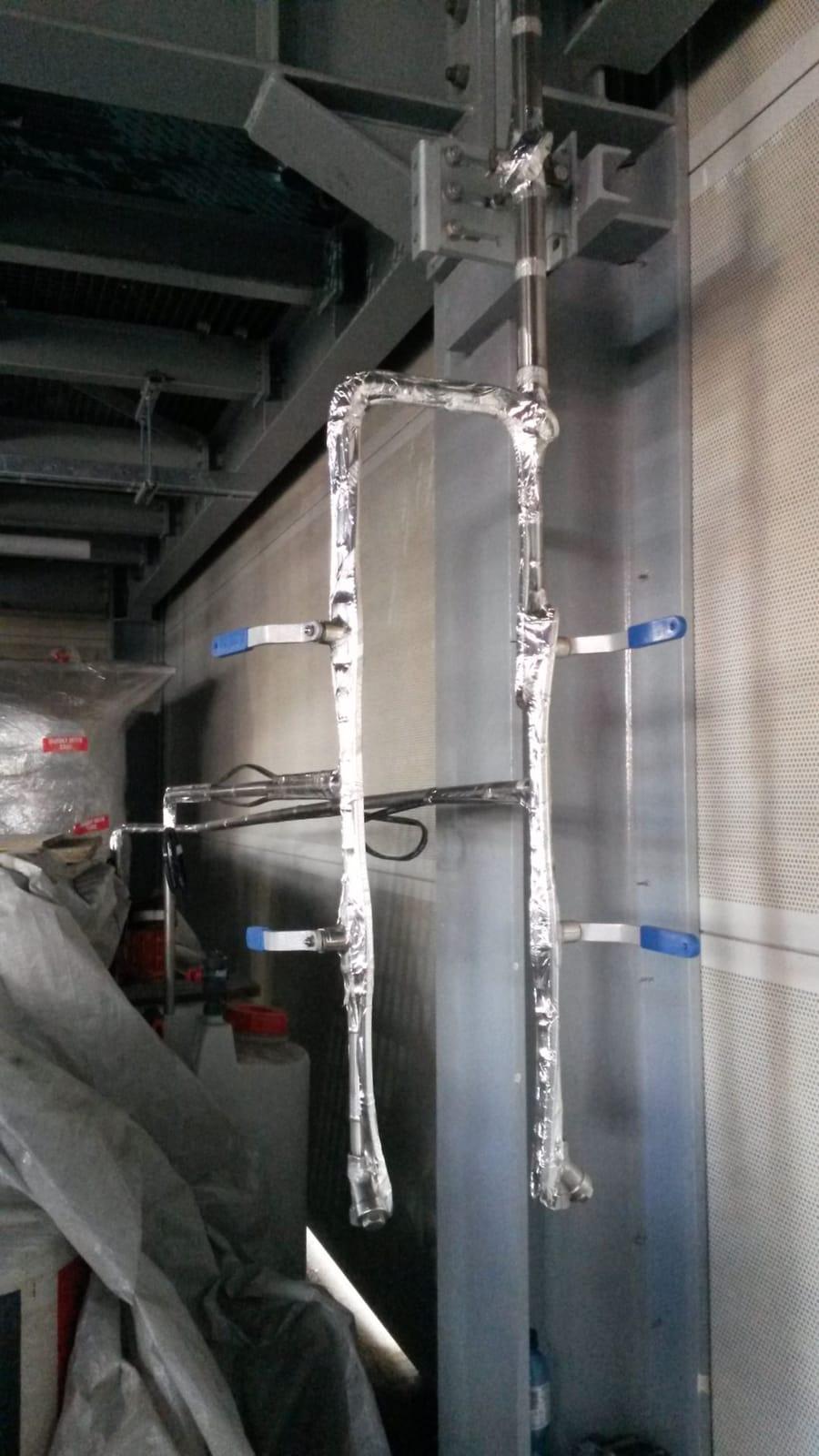
A heating cable is installed along the pipe under the thermal insulation. The heat it delivers compensates for losses to the surroundings, so the medium does not fall below the required temperature. The system is controlled by a thermostat or a control system with sensors.
The calculations start with the heat loss for the pipe diameter, medium temperature, minimum ambient temperature, and the type and thickness of insulation. A design margin is then added and valves, supports, circuit lengths, power supply parameters and area conditions are taken into account. The result determines the type and output of the heating cable.
A self-regulating cable changes its output with temperature, but properly selected controls still improve process control and reduce energy consumption. We choose the control method to suit the size of the installation, the required temperature and the level of supervision expected.
Heating cables or other heating elements are arranged on the tank surface in zones that follow from the heat balance. The design takes into account the geometry, fill level, insulation, type of medium, maintain temperature and any required heat-up time.
We can audit your existing pipe heat tracing. We check the condition of the circuits, the output, the controls and compliance with current requirements, then identify what can be retained and which components need replacing.
The price depends on factors such as heat loss, circuit lengths, maintain temperature, cable type, controls, Ex areas and the scope of installation. We prepare a reliable quotation once we have the installation parameters. The cheapest purchase does not always mean the lowest operating cost, so we also compare energy consumption and ease of servicing.
It is worth starting the inspection and selection before the first drops in temperature. That leaves time for calculations, delivery of components, installation, reinstatement of insulation and system testing without the pressure of approaching frost.
Send us the parameters of your pipes or tanks. We will prepare a technical selection, a scope of work and a quotation for protecting the installation against frost.