
Industrial tank heating
Thermal stability in tanks is the foundation of process safety. Our electric heating systems eliminate the risk of deposits, coagulation and freezing, keeping media flowing even at extremely low temperatures.
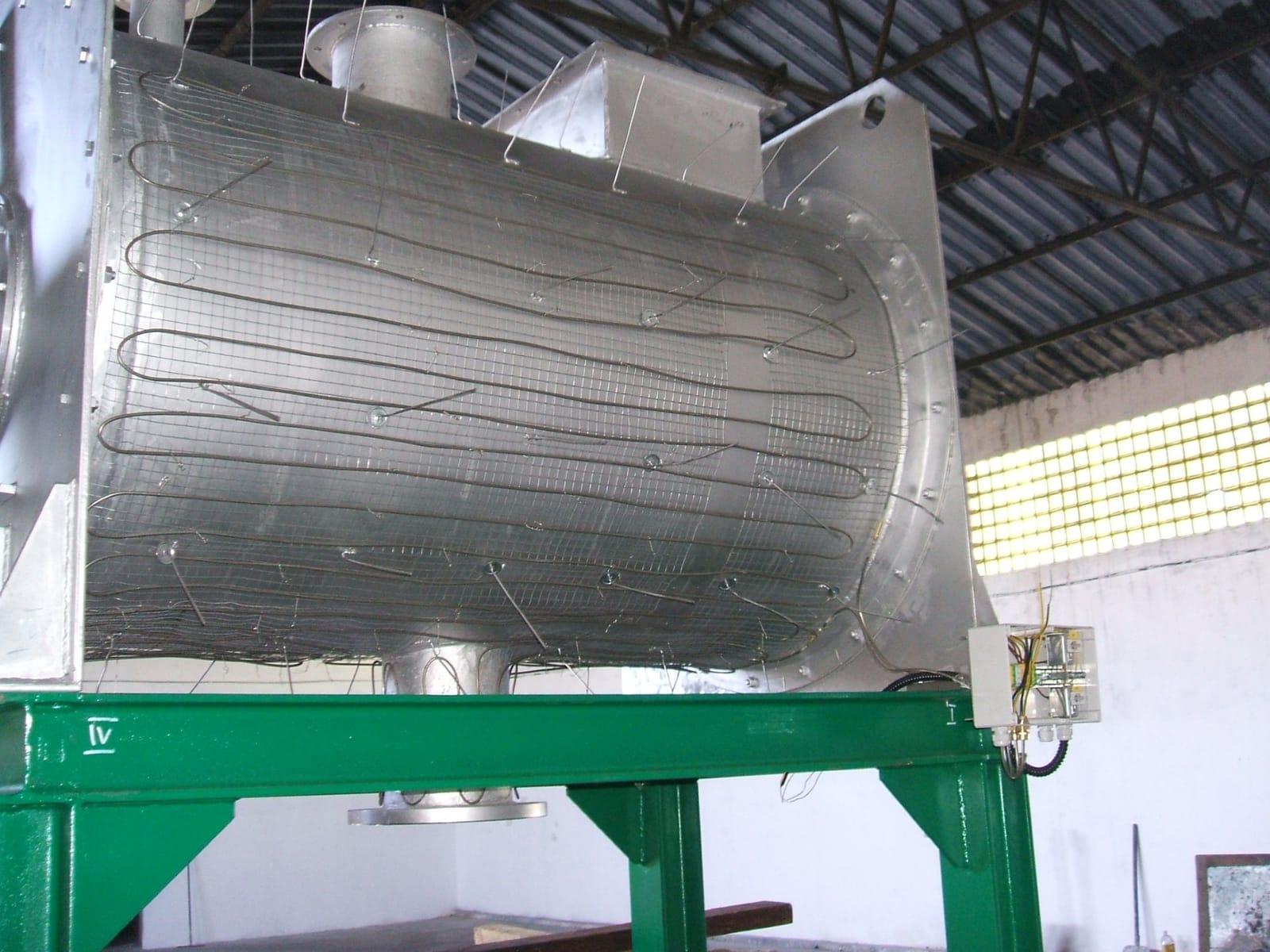
Protecting the medium and maintaining the required storage temperature.
From design to commissioning
Design
Heat loss calculations and selection of the complete system.
Supply
Heating cables, controls and matching accessories.
Installation
On-site installation in line with the design.
Commissioning
Testing, configuration and as-built documentation.
Precise selection of heating technology
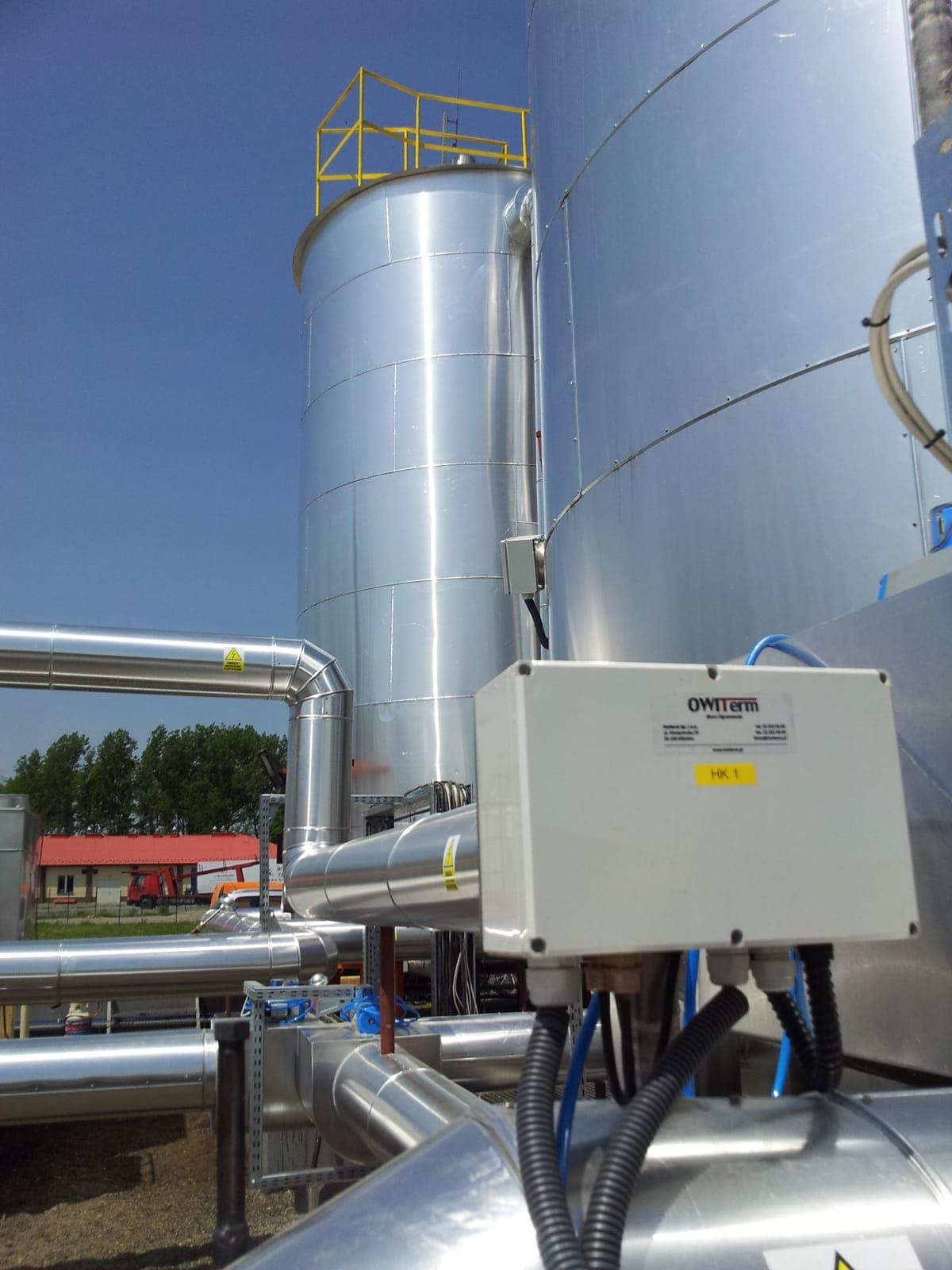
We select systems based on the stored substance and the ambient conditions. We use three types of heating cable:
- Self-regulating: automatically adjust their output to the ambient temperature (energy savings).
- Series resistance: ideal for holding constant parameters over long runs.
- Constant wattage: deliver a steady heat output regardless of the outside temperature.
Design parameters (heat balance)
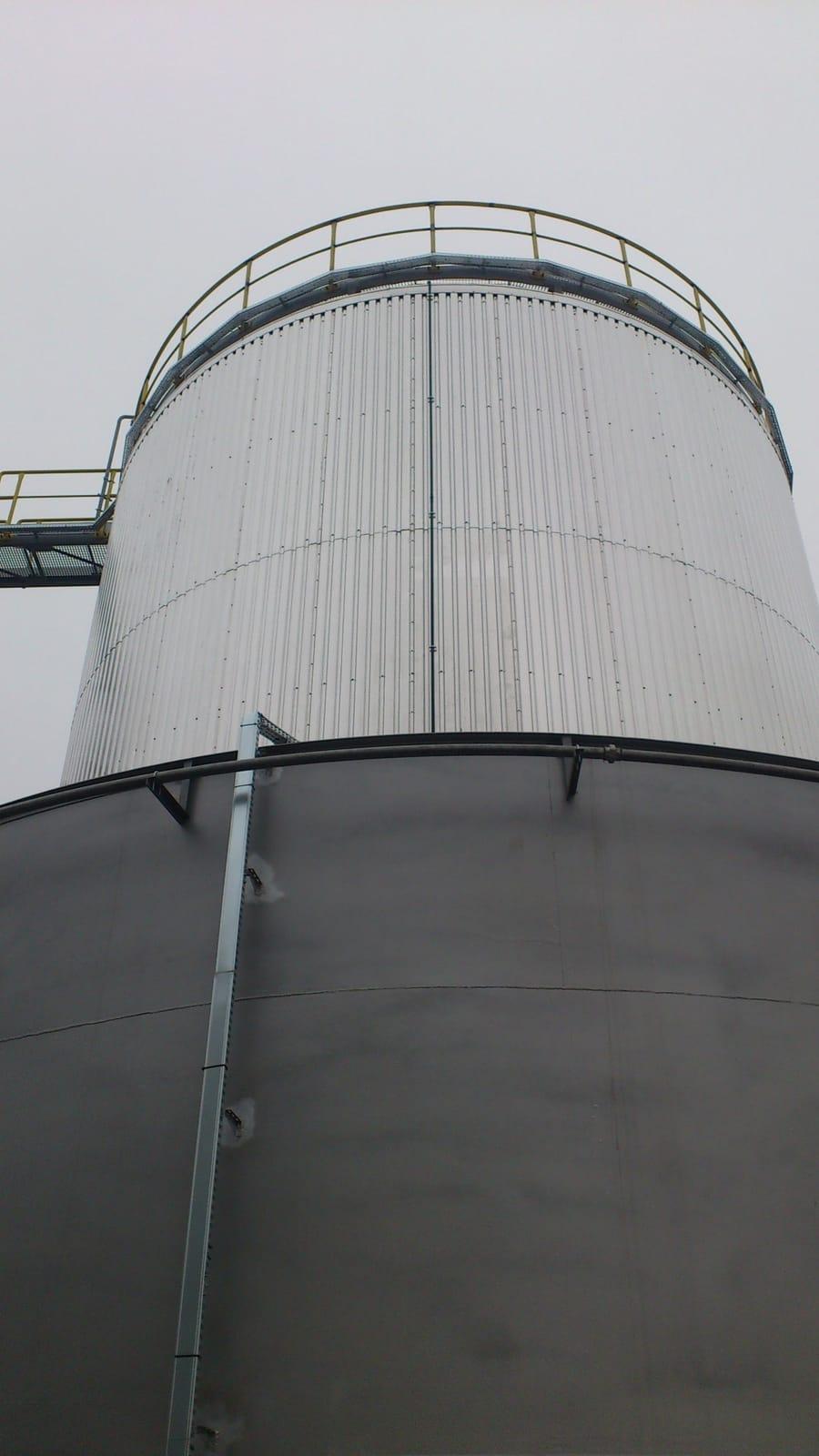
When designing the installation, we analyse the key variables:
- 1Tank geometry: size and shape of the heated surface.
- 2Delta T: the difference between the minimum ambient temperature and the target process temperature.
- 3Thermal insulation: its thickness and material.
Applications and functions
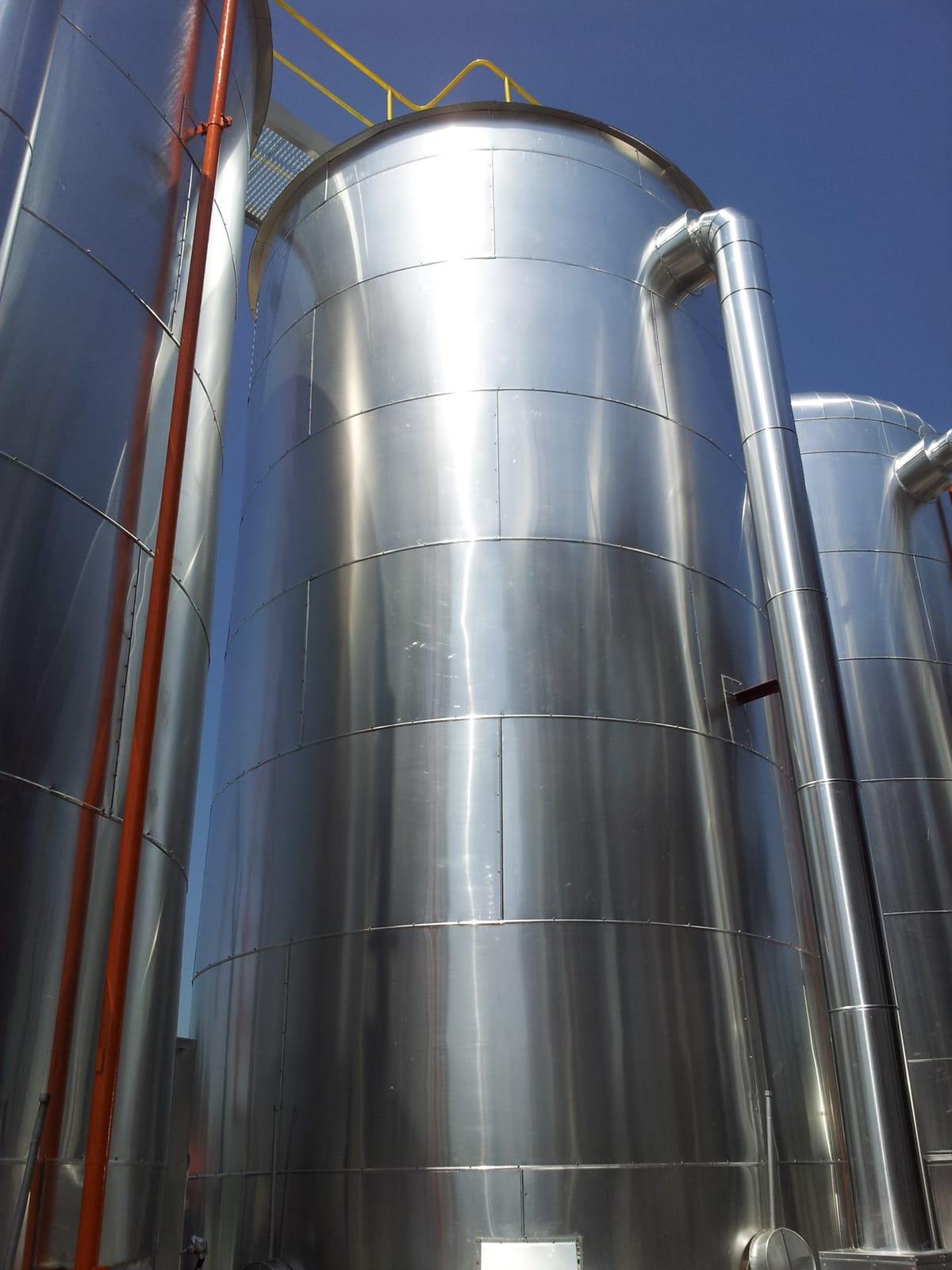
- Freeze protection: water, ammonia, aqueous solutions.
- Viscosity maintenance: oils, biofuels, resins and fats.
- Crystallisation prevention: stopping precipitation of deposits in reactors and process vessels.
- Condensation protection: eliminating moisture in bulk solids and chemical tanks.
Installation and service
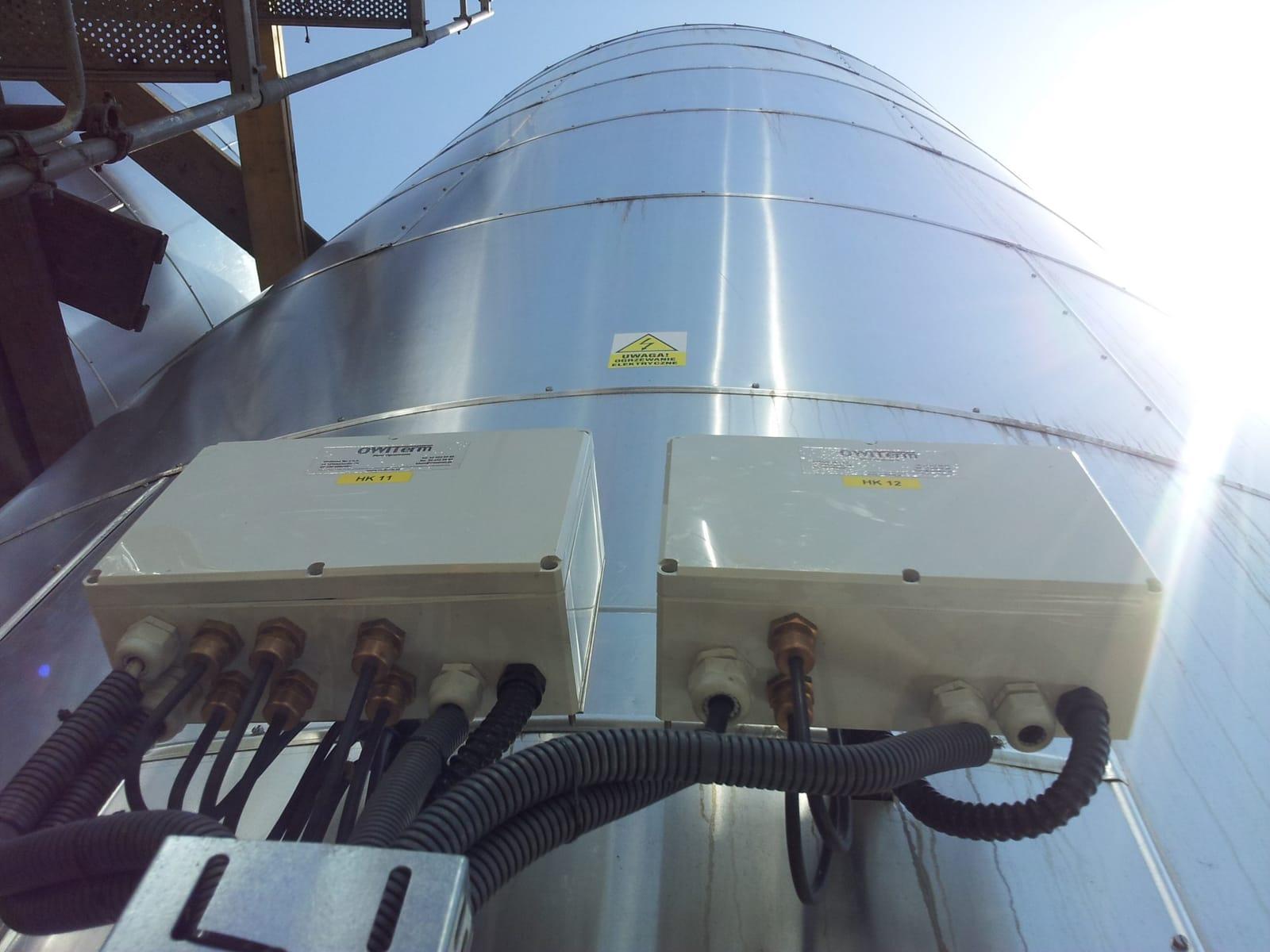
We install the systems directly on the tank shell using aluminium heat transfer tape (for excellent heat distribution) or dedicated support structures. The whole assembly is covered with an aluminium foil screen and professionally applied thermal insulation.
- Automation: maintenance-free systems with precise thermostats.
- Reliability: 24/7 operation, whatever the weather.
- Efficiency: minimal heat loss and optimised operating costs.
How we deliver tank heating - turnkey
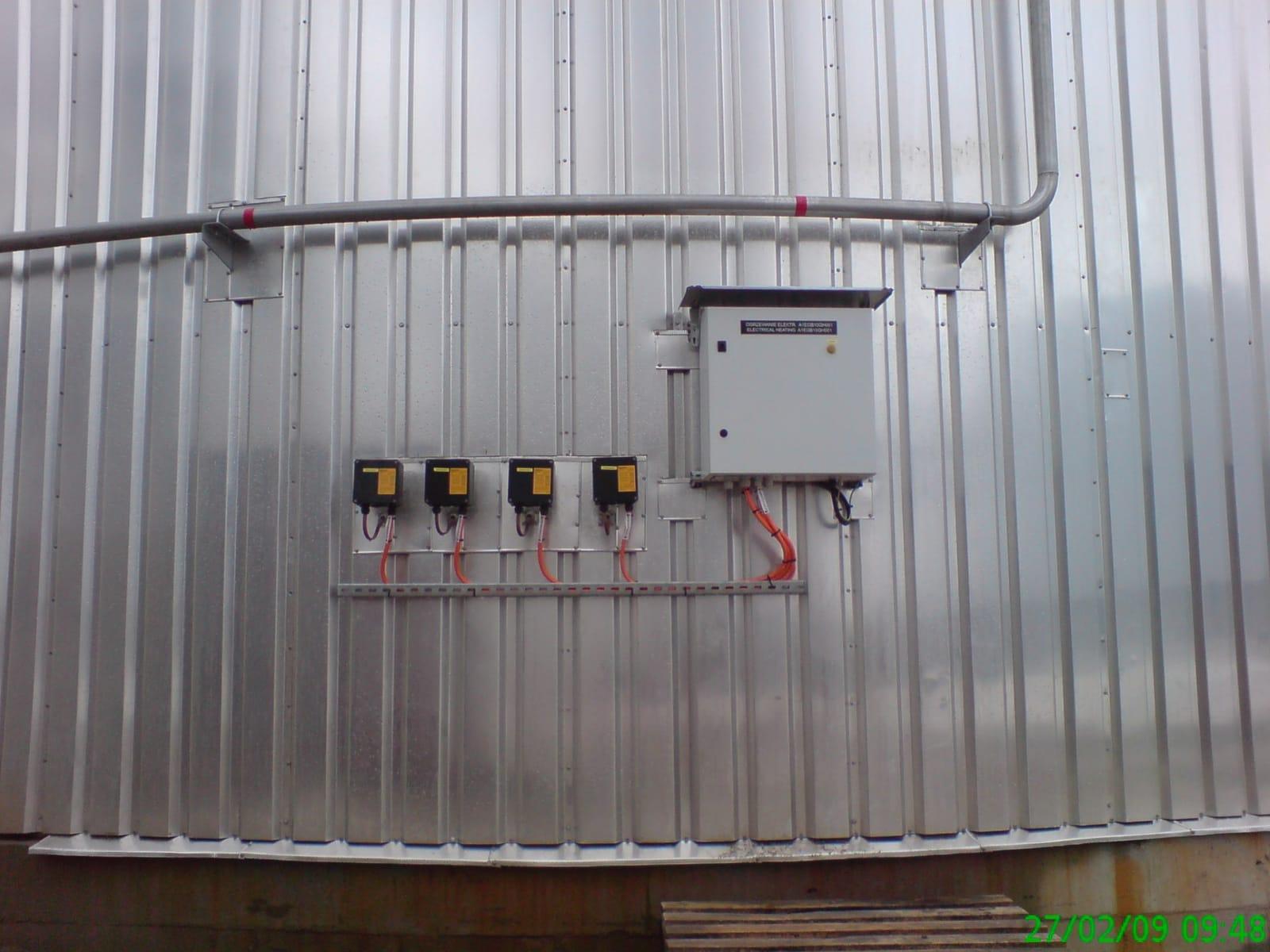
We take tank heating from selection to commissioning as a single contractor - with no need to coordinate several companies:
- 1Consultancy and selection - we prepare a heat balance (tank geometry, delta T, insulation) and select the heating cable type and output.
- 2Design - we prepare the documentation and select accessories, control and solutions for hazardous areas (Ex).
- 3Supply - we deliver cables and components as an authorised Raychem (Chemelex) distributor.
- 4Installation - we install the system on the tank shell, including on operating sites, together with the screen and insulation.
- 5Commissioning and support - we commission the system, carry out measurements and provide support after handover.
Tanks we heat
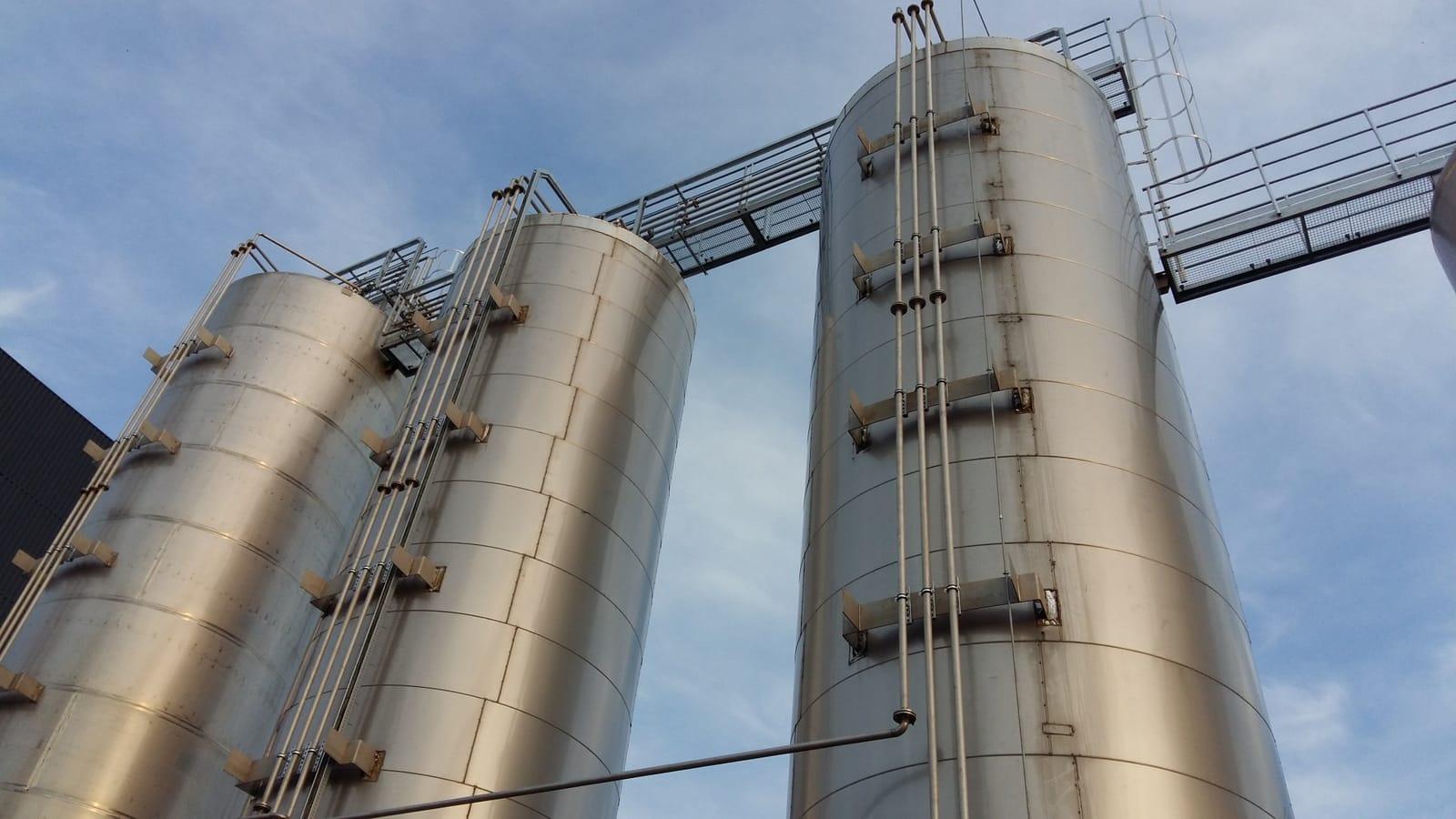
- Fuel and oil tanks - heavy fuel oil, heating oil, heavy fuels: maintaining the temperature needed for draw-off and pumping.
- Water tanks - fire water and process water tanks protected against freezing.
- Chemical tanks - protection against crystallisation and stratification, with versions for Ex areas.
- Food-grade media tanks - fats, syrups, glucose: even heating without overheating the product.
- Nozzles, drain valves and pipework at the tank - the weakest points of the installation, which we cover in one design together with the tank.
Gallery - Tank heating
Selected installations from our portfolio. Click a photo to enlarge it.
Frequently asked questions
Do you only supply materials, or do you also design and install tank heating?
+
We deliver tank heating as a turnkey service: selection and heat balance, design, supply of cables and accessories, installation and commissioning. We can also supply materials only, with engineering selection, if you carry out the installation yourselves.
How do you size the heating for a tank?
+
We analyse the geometry and surface area of the tank, the difference between the minimum ambient temperature and the target process temperature (delta T), and the thickness and type of insulation. On this basis we select the heating cable type (self-regulating, constant wattage or series resistance) and its output.
Do you heat tanks in hazardous areas (Ex)?
+
Yes. In Ex areas we use certified cables and accessories (ATEX/IECEx) together with temperature limiters, and install them in line with the zone requirements - which is common for fuel and chemical tanks.
Does installation require the tank to be emptied or shut down?
+
Usually not - the heating cable is installed on the outside of the shell, under the insulation, so in many cases we work on a tank in service. We agree the scope and schedule individually to minimise the impact on plant operation.
Is the system maintenance-free and energy efficient?
+
Yes. The systems run automatically under thermostat control, and self-regulating cables deliver as much heat as each section needs. This reduces energy consumption and keeps maintenance to a minimum.
How much does tank heating cost?
+
The cost depends on the tank size, the required temperature, the medium and insulation, and the scope of work (supply, or design and installation). Once you send us the basic parameters, we will prepare a selection and a tailored quotation.
We will find the right solution
for your installation
We usually prepare quotations within 24 hours. Talk to our specialists - we will advise free of charge and select a heat tracing system that fits your requirements. Enquiries in English are welcome.
- Free technical consultation
- Power output and complete accessory selection
- Backed by 30+ years of experience