Self-regulating heating cables - BTV
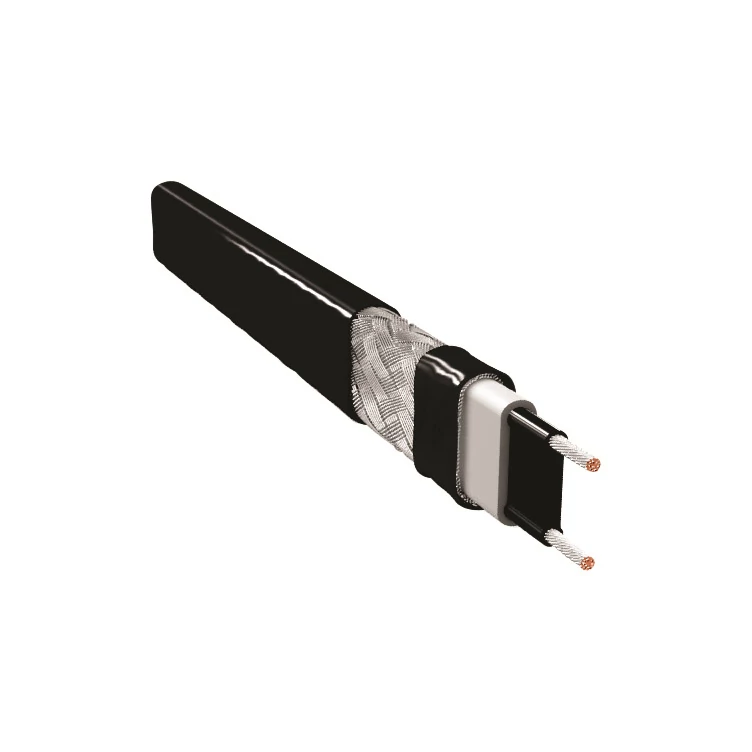
Self-regulating heating cables - BTV is a product line in the self-regulating heating cables category. 8 variants are available: 3BTV2-CR, 5BTV2-CR, 8BTV2-CR, 10BTV2-CR, 3BTV2-CT, 5BTV2-CT, 8BTV2-CT, 10BTV2-CT. We will help you select the right type for your installation, prepare a quotation and take care of supply and installation.
8 variants in this line
Not sure which heating cable to choose?
Tell us about your installation: the medium, pipe diameter and length, maintain temperature and operating conditions. We will select the cable, output and installation method and, if needed, prepare the design.
Product types and technical specification
| Symbol | Description | Manufacturer no. | Datasheets |
|---|---|---|---|
| 3BTV2-CR | Self-regulating heating cable, 230V, 9 W/m at +10°C, polyolefin outer jacket | 914279-000 | |
| 5BTV2-CR | Self-regulating heating cable, 230V, 16 W/m at +10°C, polyolefin outer jacket | 414809-000 | |
| 8BTV2-CR | Self-regulating heating cable, 230V, 25 W/m at +10°C, polyolefin outer jacket | 479821-000 | |
| 10BTV2-CR | Self-regulating heating cable, 230V, 29 W/m at +10°C, polyolefin outer jacket | 677245-000 | |
| 3BTV2-CT | Self-regulating heating cable, 230V, 9 W/m at +10°C | 469145-000 | |
| 5BTV2-CT | Self-regulating heating cable, 230V, 16 W/m at +10°C | 487509-000 | |
| 8BTV2-CT | Self-regulating heating cable, 230V, 25 W/m at +10°C | 008633-000 | |
| 10BTV2-CT | Self-regulating heating cable, 230V, 29 W/m at +10°C | 567513-000 |
What Raychem BTV is used for
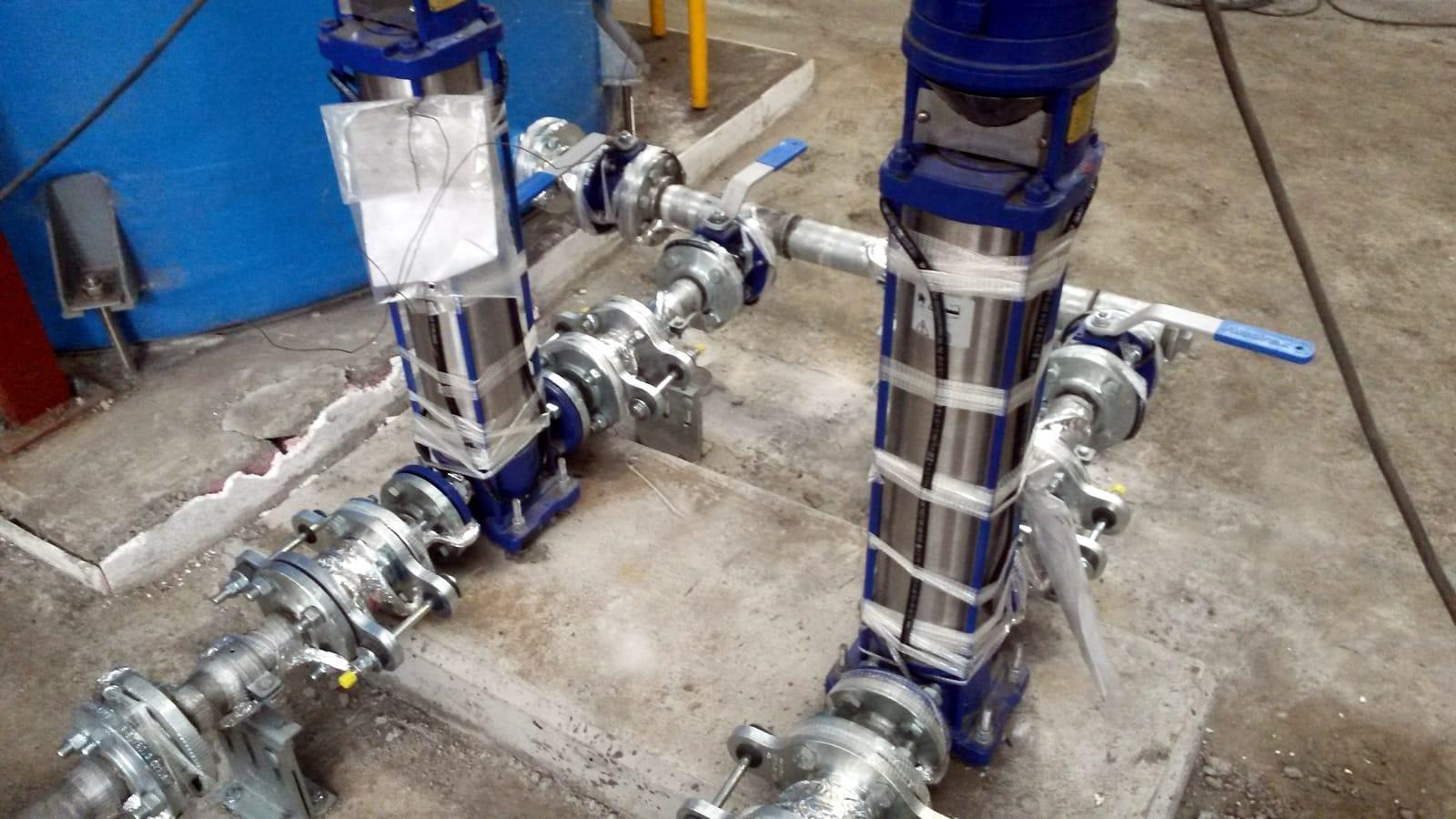
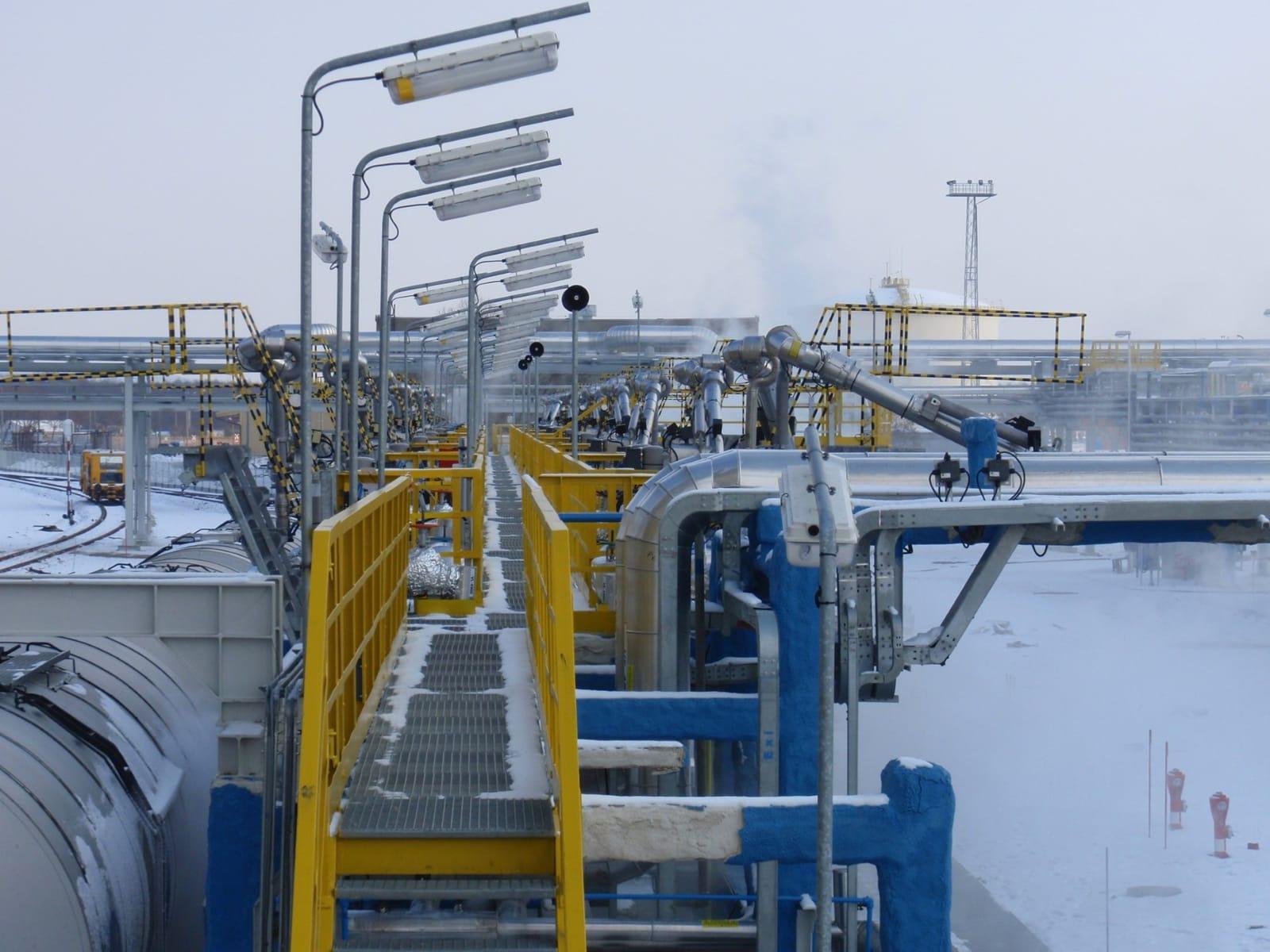
BTV is a family of Raychem (Chemelex) self-regulating parallel heating cables designed primarily for frost protection of pipework, valves and tanks in systems that are not steam purged. It also suits applications that need a low process temperature to be maintained, up to 65°C. The cable adjusts its output along its entire length: it delivers more heat on colder sections of pipe and less on warmer ones, so there is no need to split it into zones.
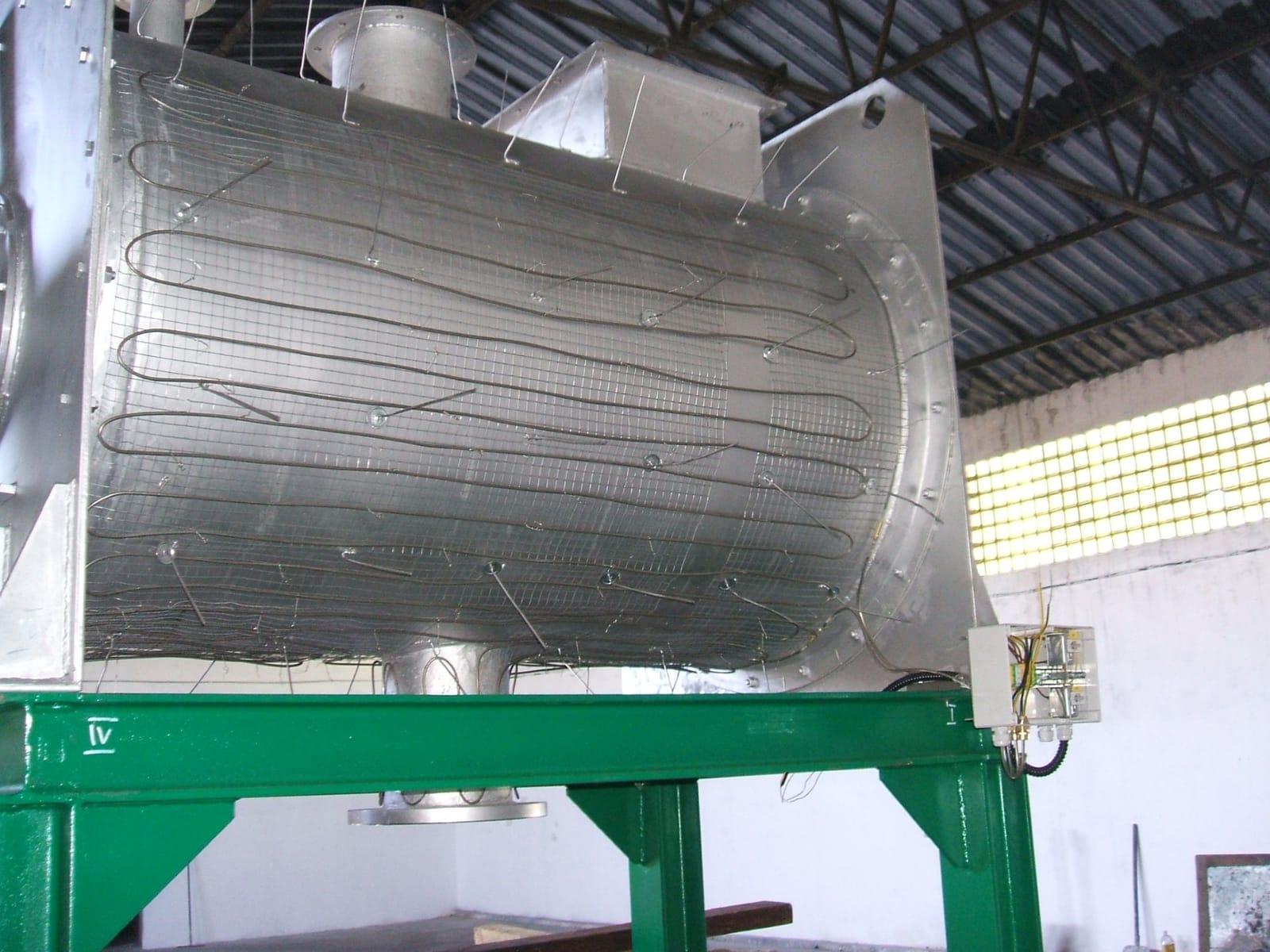
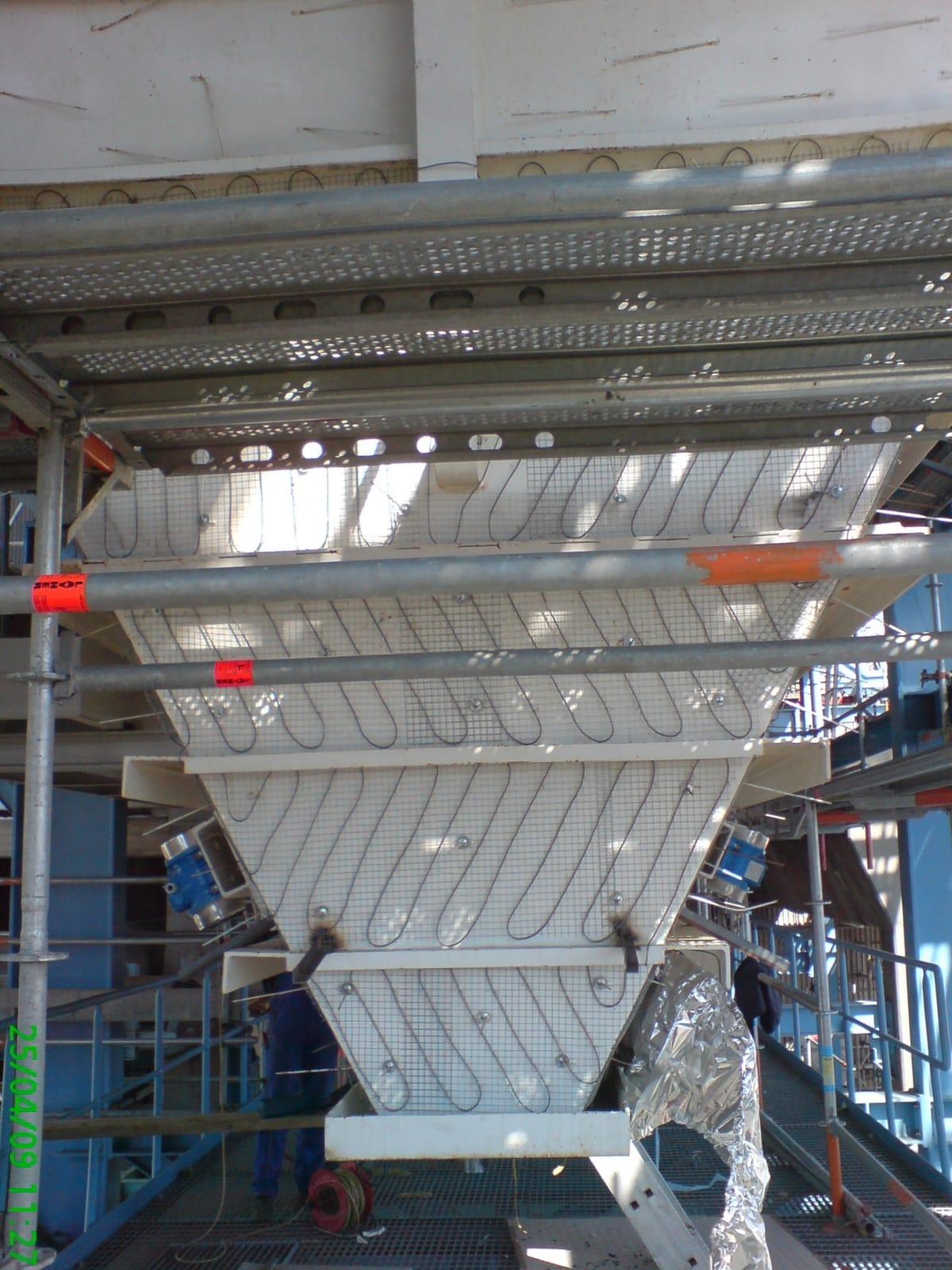
BTV can be installed on carbon steel, stainless steel, painted surfaces and plastics. It is approved for non-hazardous areas and for hazardous areas Zone 1 and 2 (gas) and Zone 21 and 22 (dust). Typical applications are described under pipe heat tracing and tank heating.
BTV technical data
- Max. maintain temperature (power on): 65°C
- Max. intermittent exposure temperature (power on): 85°C, up to 1000 h cumulative
- Temperature class: T6
- Supply voltage: 230 V
- Minimum installation temperature: -60°C
- Approvals: non-hazardous area and Ex Zone 1, 2 (gas) and 21, 22 (dust)
- Conductors: nickel-plated copper 1.3 mm², tinned copper wire braid
How to read the designation, e.g. 10BTV2-CT
- 10 - power class: the higher the number, the higher the heat output
- BTV - cable series
- 2 - 230 V supply version
- -CT - fluoropolymer outer jacket, recommended where the cable is exposed to organic corrosive substances
- -CR - modified polyolefin jacket, for mild inorganic substances
BTV product line and output at +10°C:
- 3BTV2-CT and 3BTV2-CR - 9 W/m
- 5BTV2-CT and 5BTV2-CR - 16 W/m
- 8BTV2-CT and 8BTV2-CR - 25 W/m
- 10BTV2-CT and 10BTV2-CR - 29 W/m
Selection, supply and installation
We select the cable type to match the heat loss of the pipework, calculated from pipe diameter, insulation thickness, minimum ambient temperature and the required medium temperature. On top of that comes the choice of jacket (-CT or -CR) for the surrounding chemistry and a check of the Ex area. You can estimate the power requirement in our calculator.
We supply the complete circuit: cable, power connection kits and end seals, and thermostats. We carry out installation, testing, commissioning and service. The BTV datasheet in PDF can be downloaded from this page, and we will prepare a quotation once you get in touch.
Not sure which heating cable to choose?
Tell us about your installation: the medium, pipe diameter and length, maintain temperature and operating conditions. We will select the cable, output and installation method and, if needed, prepare the design.
Frequently asked questions
What is the difference between 8BTV2-CT and 8BTV2-CR?
+
Both cables have the same output, 25 W/m at +10°C. They differ in the outer jacket: -CT is fluoropolymer and resistant to organic corrosive substances, while -CR is made of modified polyolefin for mild inorganic substances.
What is the maximum circuit length for BTV cable?
+
According to the datasheet, with a 16 A circuit breaker and start-up at -20°C it is approximately 155 m for 3BTV2 and 45 m for 10BTV2. These values are estimates; we determine the exact circuit length in the design.
Is BTV suitable for steam-purged pipework?
+
No. BTV is intended for systems without steam purging, with a maintain temperature of up to 65°C. For higher temperatures we select a cable from the QTVR or XTVR series.