Self-regulating heating cables - BSA (non-hazardous areas)
Self-regulating heating cables - BSA (non-hazardous areas) is a product line in the self-regulating heating cables category. 2 variants are available: 3BSA2-DR, 7BSA2-DR. We will help you select the right type for your installation, prepare a quotation and take care of supply and installation.
2 variants in this line
Not sure which heating cable to choose?
Tell us about your installation: the medium, pipe diameter and length, maintain temperature and operating conditions. We will select the cable, output and installation method and, if needed, prepare the design.
Product types and technical specification
What Raychem BSA is used for
BSA is a Raychem (Chemelex) self-regulating heating cable for pipe frost protection in industrial and commercial buildings, outside hazardous areas. It is designed for systems that are not steam cleaned and require low or medium temperatures, both indoors and outdoors.
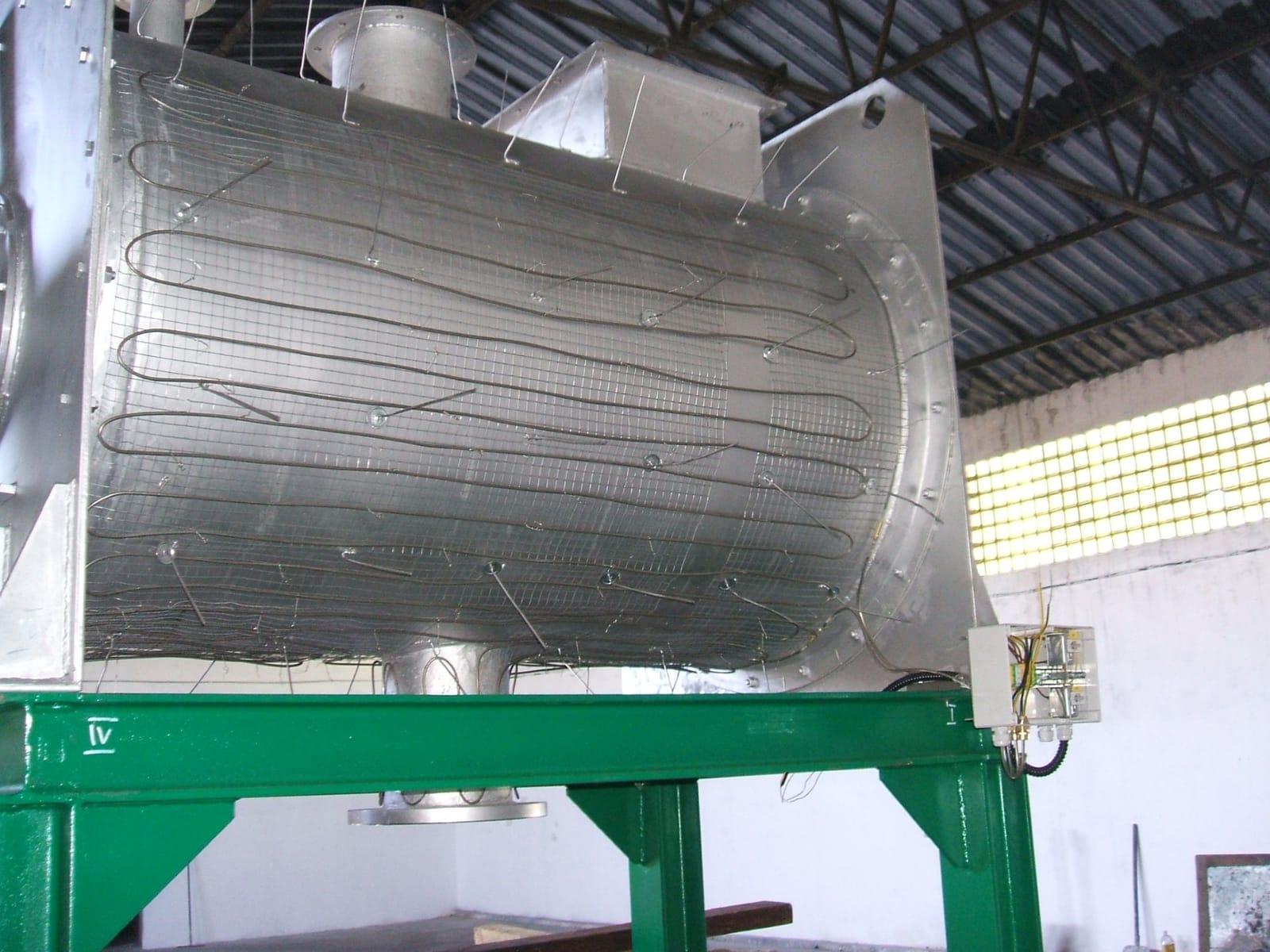
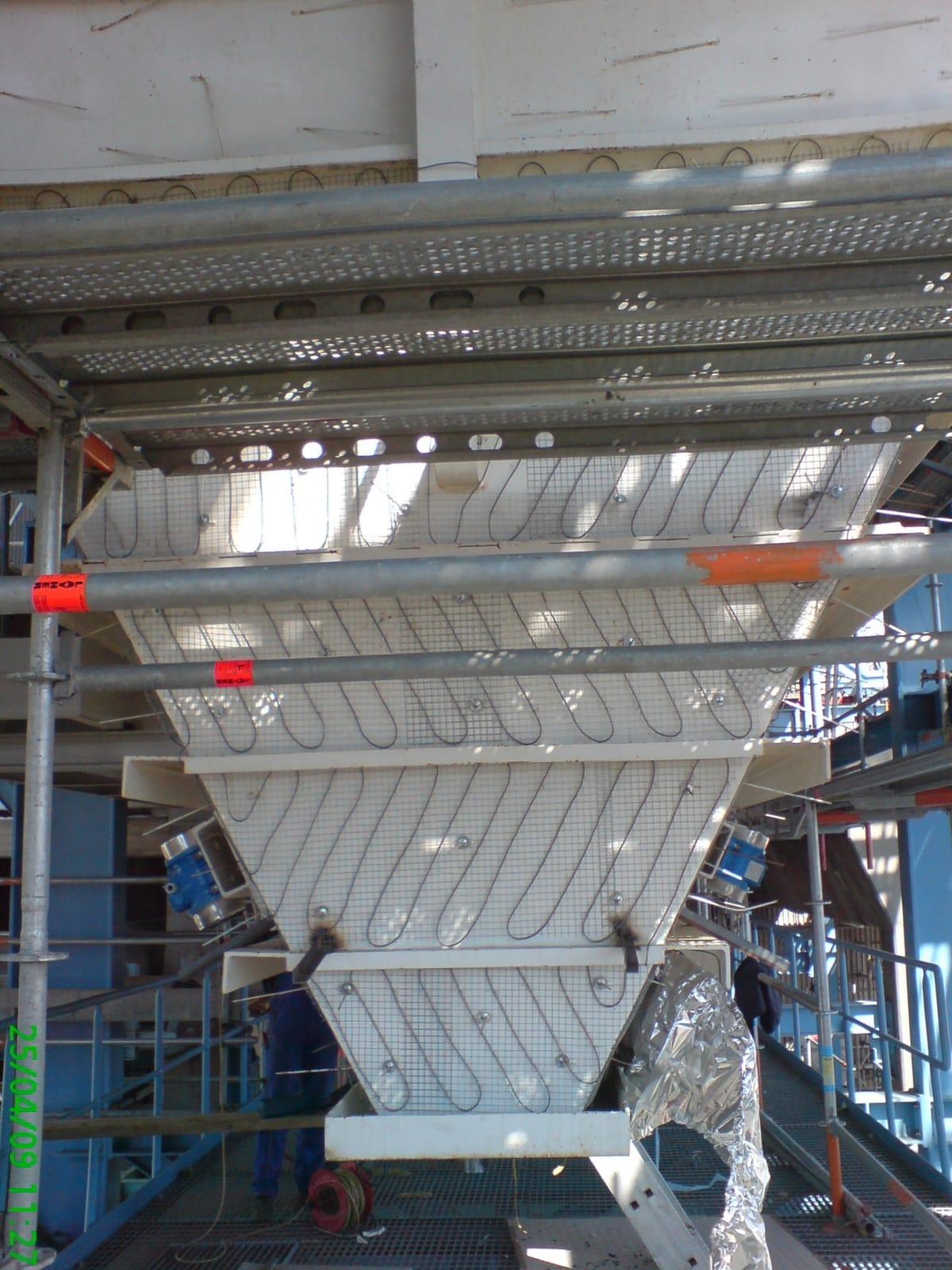
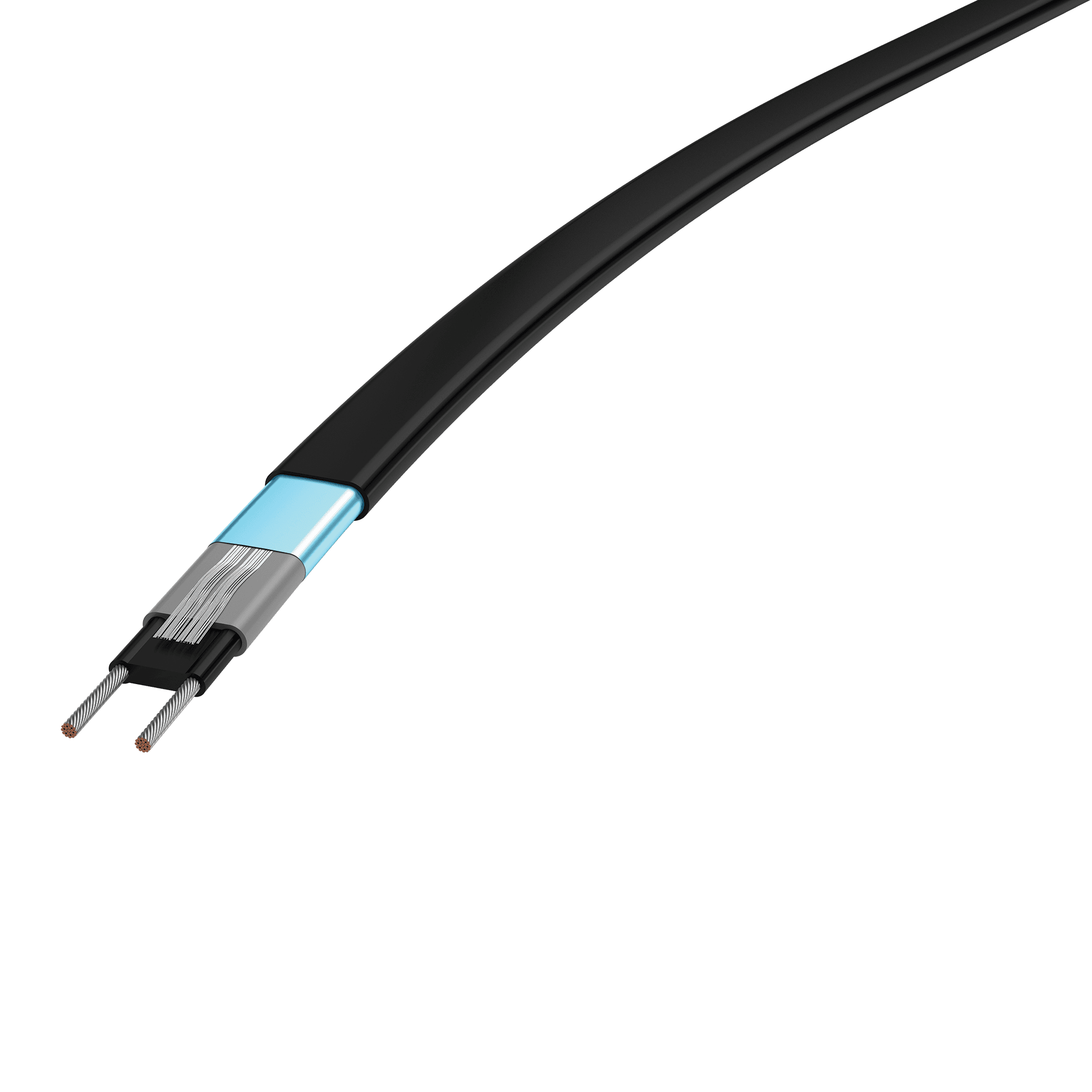
What sets it apart is its construction: instead of a braid it has an aluminium foil with drain wires, and the modified polyolefin jacket is UV resistant. The cable is very flexible, so it is easy to route along small and complex pipe networks, valves and branches. It can be used on carbon steel, stainless steel, painted metal and plastics. If the installation is in an Ex area, we select a cable from the BTV series.
BSA technical data
- Max. maintain temperature (power on/off): 65°C
- Max. intermittent exposure temperature (power on/off): 85°C, up to 1000 h cumulative
- Approvals: non-hazardous area only
- Supply voltage: 230 V AC
- Minimum installation temperature: -60°C
- Minimum bending radius: 10 mm at +20°C, 35 mm at -60°C
- Chemical resistance: mild inorganic substances
How to read the designation, e.g. 7BSA2-DR
- 7 - cable power class
- BSA - cable series
- 2 - 230 V supply version
- -DR - version with a UV-resistant modified polyolefin jacket, aluminium foil screen and drain wires
BSA product line and output at +10°C:
- 3BSA2-DR - 9 W/m
- 7BSA2-DR - 19 W/m
Selection, supply and installation
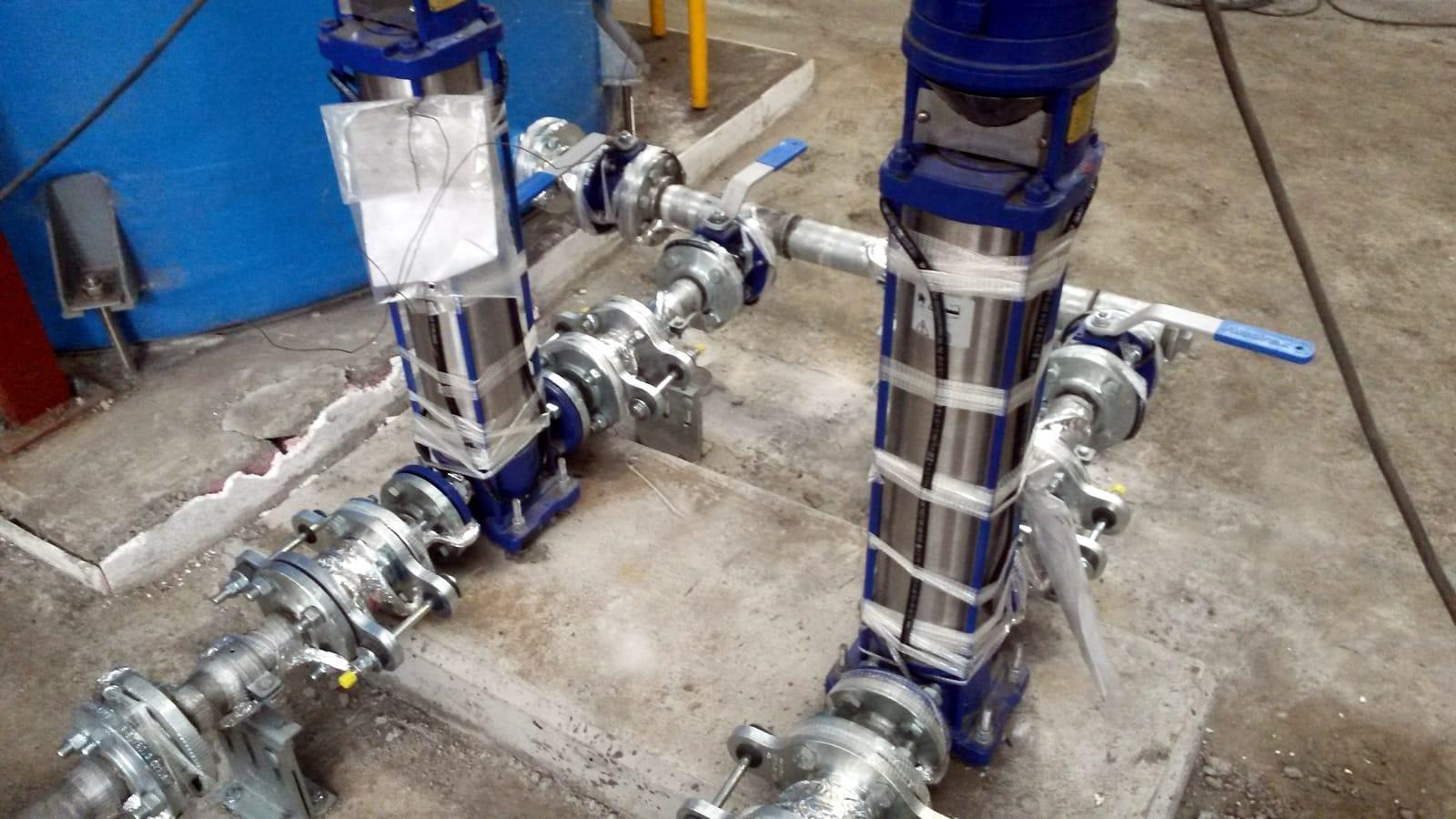
We choose between 3BSA2-DR and 7BSA2-DR based on heat loss: pipe diameter, insulation thickness and the lowest ambient temperature all count. You can get a preliminary result in our calculator. BSA works well for heat tracing of water pipes and building services pipework in industrial halls, among other uses.
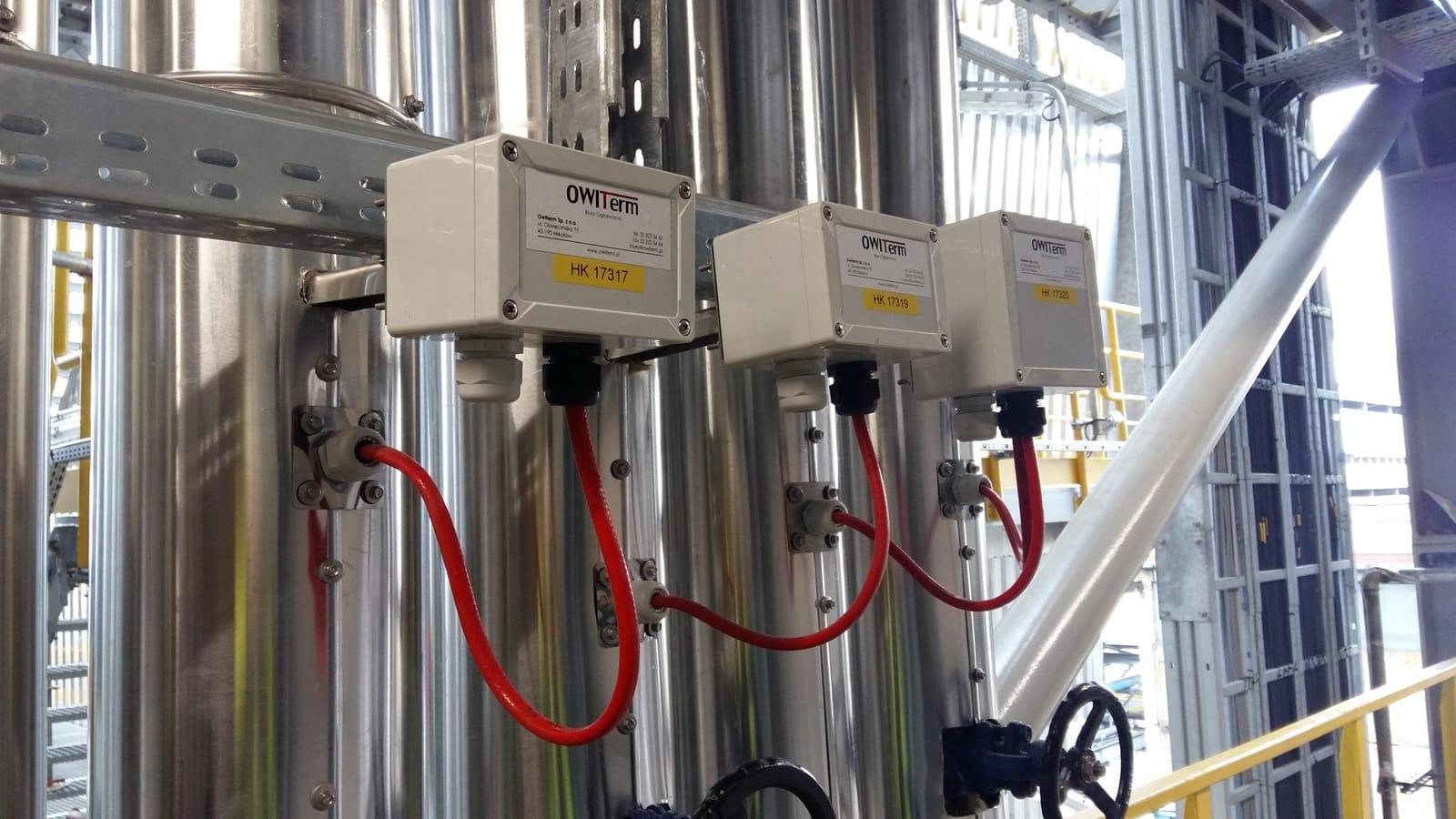
The datasheet requires at least a power connection kit and an end seal for each circuit. We select them from the Raychem range for non-Ex areas, together with a thermostat, and then install and commission the system. See the power connection kits, download the BSA datasheet in PDF from this page or request a quotation via our contact page.
Not sure which heating cable to choose?
Tell us about your installation: the medium, pipe diameter and length, maintain temperature and operating conditions. We will select the cable, output and installation method and, if needed, prepare the design.
Frequently asked questions
Can BSA be installed in a hazardous area?
+
No. BSA is approved for non-hazardous areas only. For Ex areas we select a cable from the BTV series or another series with an Ex approval.
What accessories are needed for BSA cable?
+
Each circuit requires at least a power connection kit and an end seal. The datasheet lists, among others, the JB-82, JB-NH2 and JB-NH4 junction boxes, the E-02-AL end seal and the CSE-05-DR kit, all for non-Ex areas.
What is the difference between 3BSA2-DR and 7BSA2-DR?
+
The output: 3BSA2-DR delivers 9 W/m and 7BSA2-DR 19 W/m at +10°C. The dimensions and construction of both cables are the same.