Photo coming soon
MI series heating cables - HSQ
MI series heating cables - HSQ
MI series heating cables - HSQ is a product line in the mineral insulated (mi) series resistance heating cables category. 10 variants are available, including HSQ1M10K, HSQ1M6300, HSQ1M4000, HSQ1M2500, HSQ1M1600, HSQ1M1000, HSQ1M630, HSQ1M400. We will help you select the right type for your installation, prepare a quotation and take care of supply and installation.
10 variants in this line
Not sure which heating cable to choose?
Tell us about your installation: the medium, pipe diameter and length, maintain temperature and operating conditions. We will select the cable, output and installation method and, if needed, prepare the design.
Product types and technical specification
| Symbol | Description | Manufacturer no. | Datasheets |
|---|---|---|---|
| HSQ1M10K | MI series heating cable with stainless steel sheath, 10000 Ω/km, ATEX | HSQ1M10K | |
| HSQ1M6300 | MI series heating cable with stainless steel sheath, 6300 Ω/km, ATEX | HSQ1M6300 | |
| HSQ1M4000 | MI series heating cable with stainless steel sheath, 4000 Ω/km, ATEX | HSQ1M4000 | |
| HSQ1M2500 | MI series heating cable with stainless steel sheath, 2500 Ω/km, ATEX | HSQ1M2500 | |
| HSQ1M1600 | MI series heating cable with stainless steel sheath, 1600 Ω/km, ATEX | HSQ1M1600 | |
| HSQ1M1000 | MI series heating cable with stainless steel sheath, 1000 Ω/km, ATEX | HSQ1M1000 | |
| HSQ1M630 | MI series heating cable with stainless steel sheath, 630 Ω/km, ATEX | HSQ1M630 | |
| HSQ1M400 | MI series heating cable with stainless steel sheath, 400 Ω/km, ATEX | HSQ1M400 | |
| HSQ1M250 | MI series heating cable with stainless steel sheath, 250 Ω/km, ATEX | HSQ1M250 | |
| HSQ1M160 | MI series heating cable with stainless steel sheath, 160 Ω/km, ATEX | HSQ1M160 |
What HSQ MI cables are used for
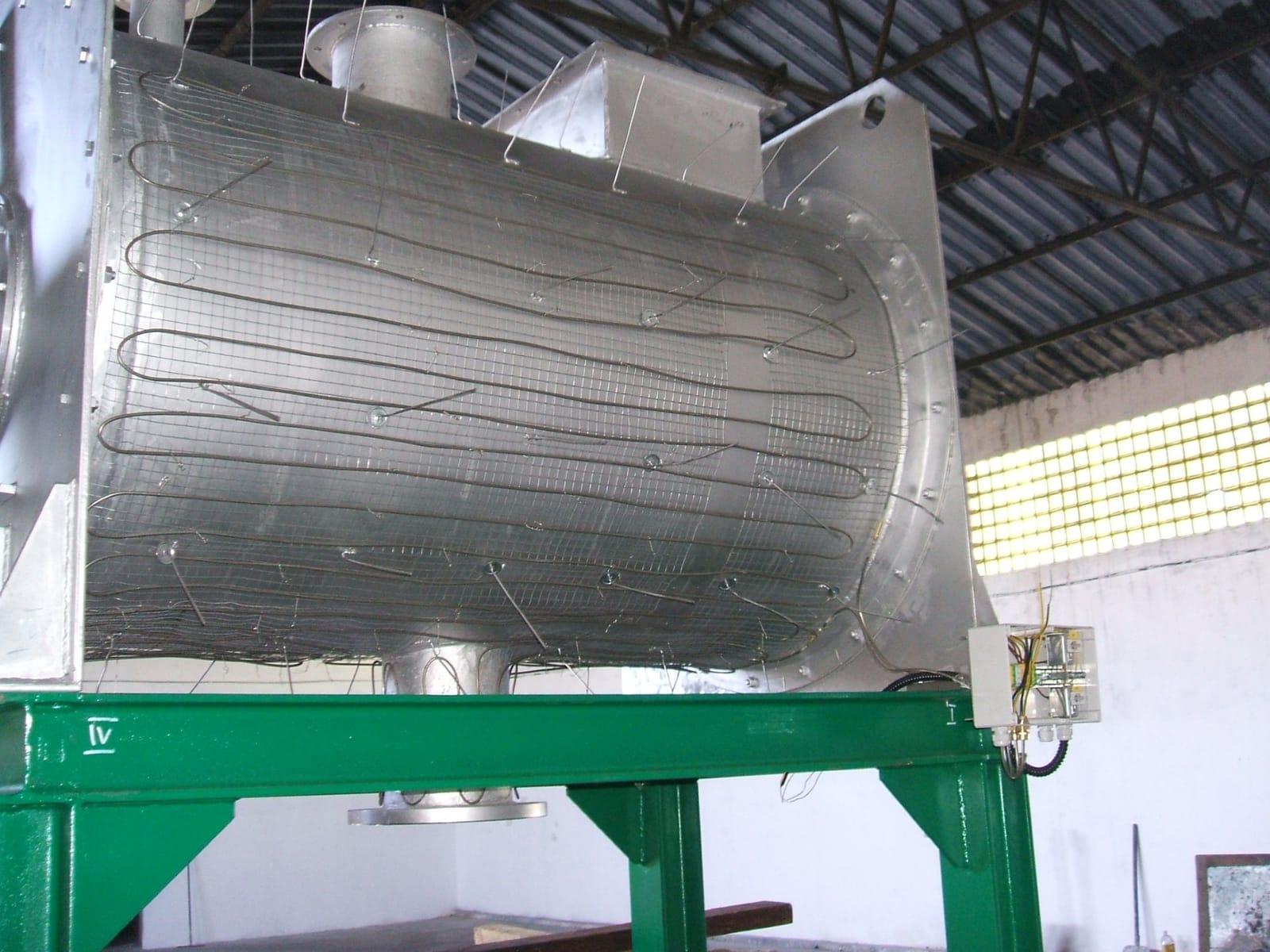
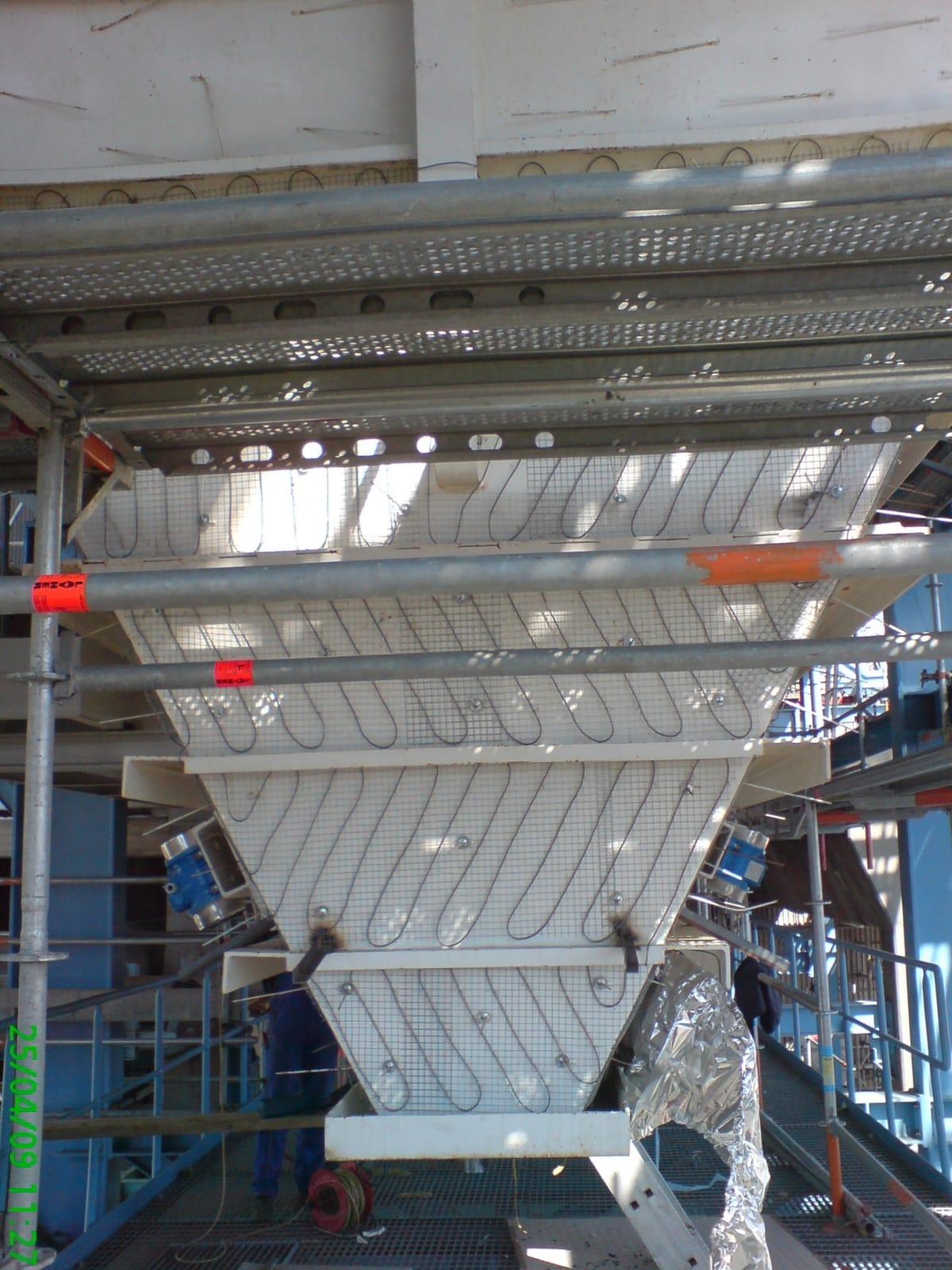
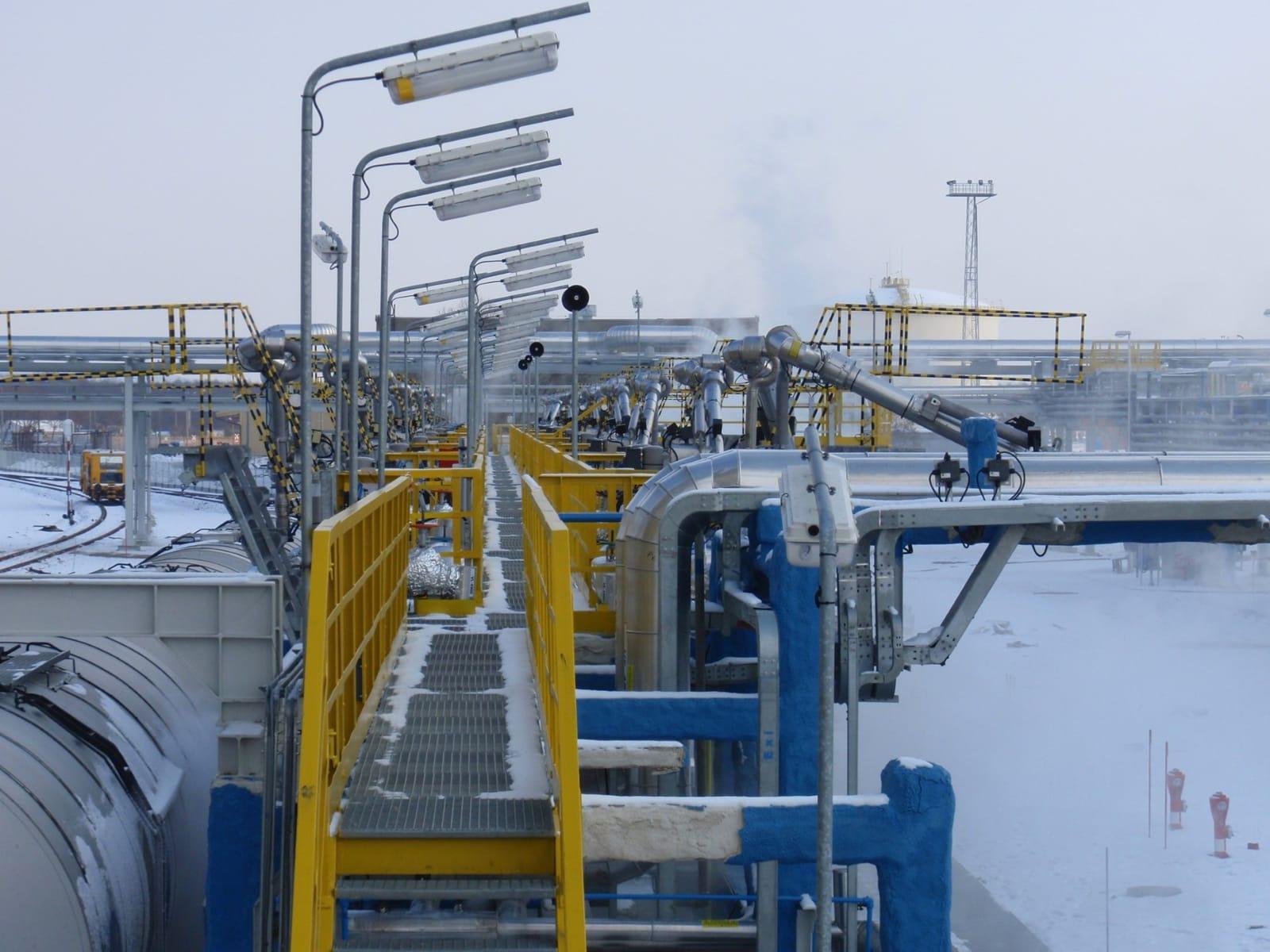
Raychem HSQ are mineral insulated series heating cables with a nichrome conductor and a 321 stainless steel sheath. This is a high-temperature line: depending on the termination method it operates up to 550°C or 680°C. The datasheet lists asphalt production plants, gas storage facilities, refineries, reactors, tanks and other systems where thermal resistance, power output and mechanical strength matter. We typically use them for industrial tank heating and for process pipework in the petrochemical industry.
Technical data
- Sheath: 321 stainless steel (DIN 1.4541); conductor: nichrome
- Max. temperature: 550°C (brazed terminations), 680°C (laser welded)
- Voltage U0/U: 300/500 V, 460/600 V with laser-welded terminations
- Typical heat output up to 150 W/m
- Nominal resistance: from 160 to 10,000 Ω/km at 20°C
- Outer diameter: 3.2-6.5 mm; Ex Zones 1, 2, 21, 22; T6...T1
How to read the designation, e.g. HSQ1M630
H stands for heating cable, S for stainless steel sheath and Q for nichrome conductor. The digit 1 denotes a single-conductor construction, and the final number the resistance in Ω/km: HSQ1M630 has 630 Ω/km. The letter K stands for thousands, so HSQ1M10K is 10,000 Ω/km, the highest resistance in the line, and HSQ1M160 the lowest.
Selection and installation
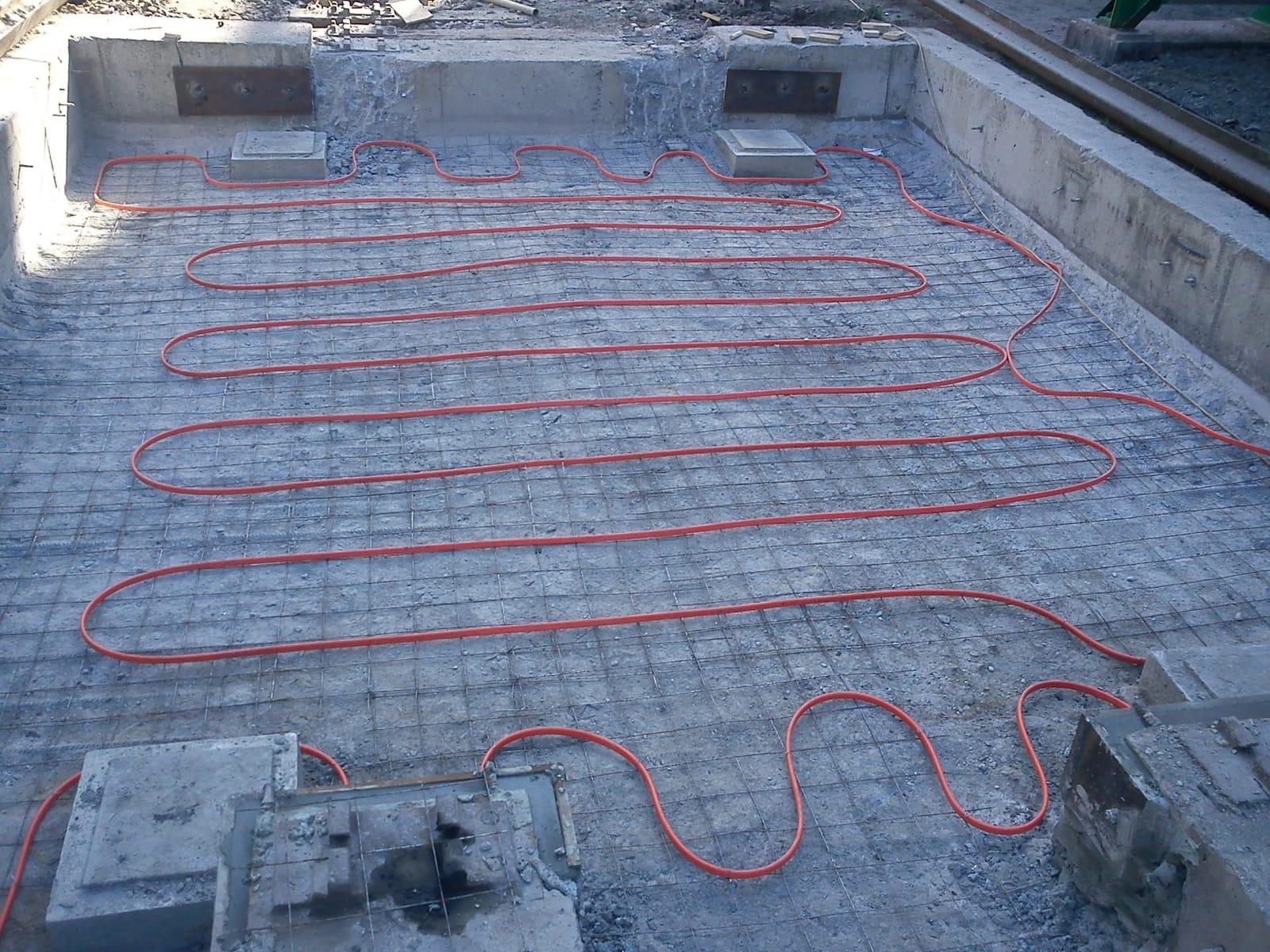
With HSQ the key decision is the termination technology, because it determines the permissible temperature and voltage. For brazed terminations the datasheet recommends cold leads with an Alloy 825 sheath (S33A, S55A), and for laser-welded terminations stainless steel cold leads (SC33A, SC55A), described on the stainless steel cold leads page. We select the resistance to suit the circuit length and the required output, with sheath temperature verification. The circuit requires a 30 mA residual current device. OWITERM provides design, supply, installation, commissioning and service; you can send your enquiry via the contact page.
Not sure which heating cable to choose?
Tell us about your installation: the medium, pipe diameter and length, maintain temperature and operating conditions. We will select the cable, output and installation method and, if needed, prepare the design.
Frequently asked questions
What determines the maximum temperature of HSQ cable?
+
The construction of the heating element: with brazed terminations the limit is 550°C, with laser-welded terminations 680°C. Higher values require individual consultation with the manufacturer.
How does HSQ differ from HIQ?
+
Both lines have a nichrome conductor and the same resistances. HSQ has a 321 stainless steel sheath and a typical output of up to 150 W/m, HIQ an Inconel 600 sheath and an output of up to 300 W/m.
Is 321 stainless steel suitable for every environment?
+
No. The chemical resistance table in the datasheet marks it as not recommended for some inorganic acids and for chlorides, and resistance depends on temperature and concentration. In such conditions we consider HIQ with an Inconel 600 sheath or HAx with an Alloy 825 sheath.